

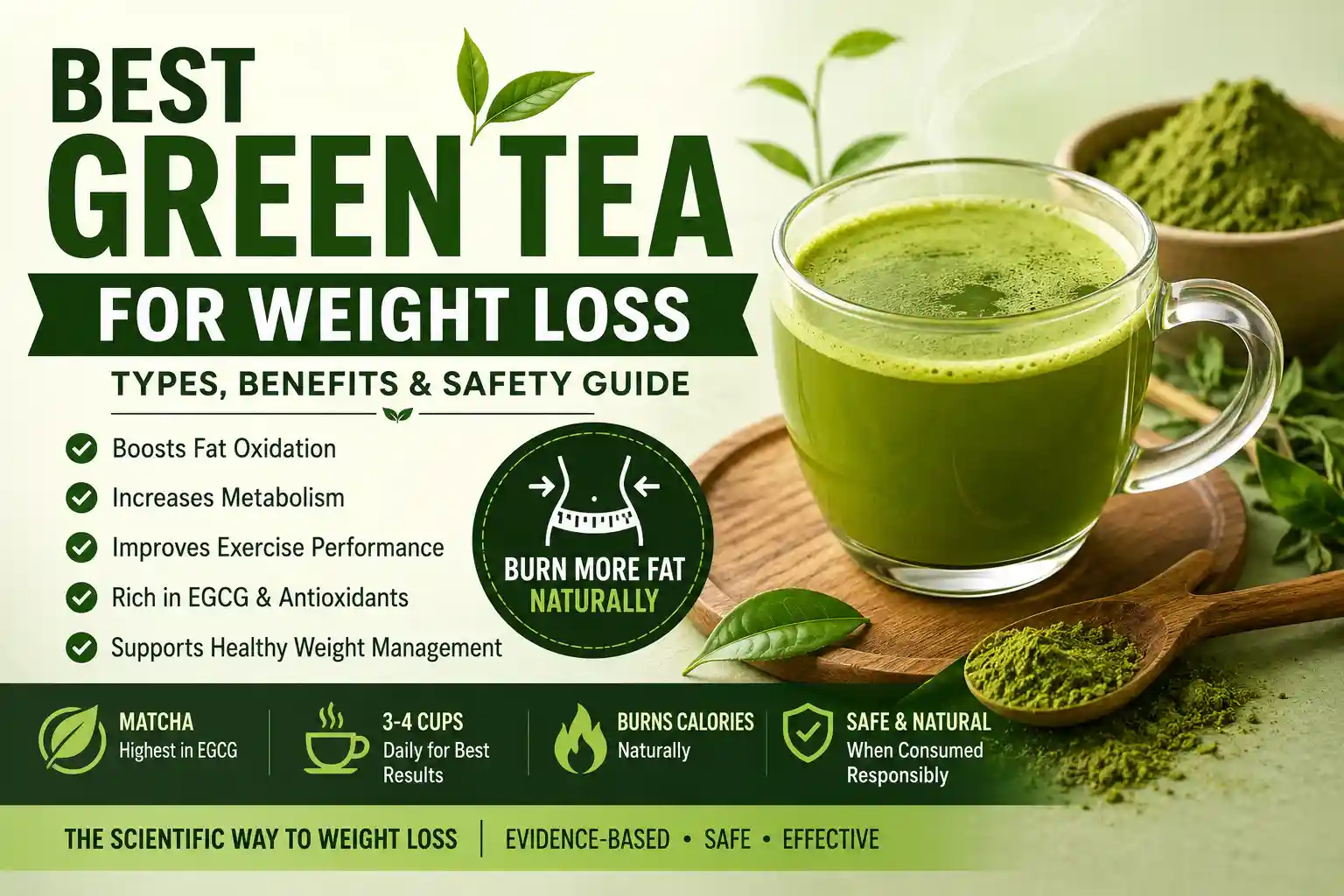
If you’re searching for the best green tea for weight loss, the answer isn’t in the marketing — it’s in the science. Most weight loss teas are marketing hype. But real green tea — especially high-EGCG varieties like matcha — can measurably increase fat oxidation, improve exercise performance, and slightly boost daily calorie burn. Understanding what makes the best green tea for weight loss comes down to knowing the right type, brewing it correctly, and setting realistic expectations. Here’s what actually works according to current research.
How Green Tea Helps With Weight Loss
To understand why green tea earns its reputation as the best green tea for weight loss among natural options, you need to look at two key compounds: EGCG (epigallocatechin gallate) and caffeine. EGCG is a type of catechin — a powerful plant antioxidant — that has been shown in multiple studies to enhance the body’s ability to burn fat, especially during physical activity.
Here’s the simple version of the science: your body constantly breaks down fat cells and moves those fatty acids into your bloodstream. EGCG helps this process by blocking an enzyme that normally slows it down. Meanwhile, caffeine signals your nervous system to release more of those fatty acids as fuel. The two compounds work together — a process called thermogenesis, which means your body generates more heat and burns more energy than it would at rest.
A review of 11 studies published in the International Journal of Obesity found that green tea catechins combined with caffeine led to a significant increase in energy expenditure compared to caffeine alone. The effect isn’t enormous — we’re talking roughly 80–100 extra calories burned per day — but over weeks and months, that adds up.
One important note: many studies that show strong results use green tea extract (a concentrated supplement) rather than brewed tea. Drinking 3–4 cups of brewed green tea per day provides a meaningful amount of catechins, but not quite as much as a standardized supplement. The good news is that some tea varieties are significantly richer in EGCG than others.
What is EGCG?
Epigallocatechin gallate (EGCG) is the most bioactive catechin found in green tea. It is a polyphenol antioxidant that supports fat oxidation, reduces inflammation, and has been studied for its effects on metabolism, blood sugar regulation, and cardiovascular health.
Best Types of Green Tea for Weight Loss
Not all green teas are equal when it comes to EGCG content. The way tea is grown, processed, and prepared significantly affects how much of this active compound ends up in your cup. Here’s a breakdown of the main types and how they compare for weight loss specifically.
| Tea Type | EGCG per Cup | Caffeine | Taste Profile | Best For |
| Matcha | ~130–140 mg | ~70 mg | Rich, earthy, umami | Highest EGCG / Maximum fat oxidation |
| Gyokuro | ~90–110 mg | ~45 mg | Sweet, smooth, grassy | High L-theanine, calm energy |
| Sencha | ~50–70 mg | ~35 mg | Fresh, grassy, mild | Everyday drinking, affordable |
| Kabusecha | ~70–90 mg | ~40 mg | Smooth, slightly sweet | Middle ground between matcha and sencha |
| Bancha | ~20–30 mg | ~15 mg | Mild, slightly woody | Low caffeine, evening drinking |
| Green Tea Extract | ~400–500 mg | Varies | Supplement (capsule) | Concentrated dose, clinical use |
Matcha: The Clear Winner for EGCG
When evaluating the best green tea for weight loss, matcha stands at the top — and the reason is simple: when you drink matcha, you consume the entire tea leaf in powdered form, not just a water infusion. This means you get roughly twice to three times more EGCG per cup than regular brewed green tea.
Matcha is made from shade-grown tea leaves (typically gyokuro leaves) that are stone-ground into a fine powder. The shading process increases chlorophyll and L-theanine content, giving matcha its distinctive deep green color and its unique calm-but-alert energy effect. For weight loss purposes, 1–2 cups of matcha per day gives you a meaningful and consistent dose of EGCG and catechins.
Gyokuro: High EGCG with Gentle Caffeine
Gyokuro is a premium shade-grown Japanese green tea. Because it’s shaded for about three weeks before harvest, it develops high concentrations of L-theanine and catechins. It has slightly less EGCG than matcha but still significantly more than standard sencha. Gyokuro is an excellent choice if you want high-quality catechins with a smoother caffeine effect — the L-theanine in gyokuro takes the edge off the caffeine and prevents the jittery feeling some people get from coffee or matcha.
Sencha: The Practical Everyday Option
Sencha is the most widely consumed green tea in Japan and is easy to find globally. While it contains less EGCG per cup than matcha or gyokuro, 3–4 cups of quality sencha per day still delivers a useful dose of catechins and antioxidants. For people who want a simple, affordable daily habit, sencha is the most realistic starting point and a strong contender for best green tea for weight loss on a budget.
Green Tea Extract: The Concentrated Form
Green tea extract capsules deliver a highly concentrated dose of EGCG — often 400–500 mg per serving, compared to 50–140 mg in a cup of brewed tea. Most clinical weight loss studies have used standardized extracts rather than brewed tea, which is why the results in supplement studies tend to be stronger.
However, green tea extract carries a real risk of liver toxicity when taken in high doses. The European Food Safety Authority has flagged this concern at doses above 800 mg EGCG per day. If you choose to use extract, stick to the recommended label dose and don’t stack it with other stimulants or supplements.
How to Drink Green Tea for Maximum Weight Loss Effect
Choosing the best green tea for weight loss is only half the equation — how you drink it matters almost as much as which type you choose. A few simple habits can significantly increase how much EGCG your body actually absorbs and uses.
Best time of day: Research suggests drinking green tea 30–60 minutes before exercise produces the strongest fat-burning effect. EGCG and caffeine together boost the rate at which your body uses fat as fuel during physical activity. A cup of matcha or sencha before a morning workout is the most evidence-backed timing for weight loss specifically.
How many cups: Most research supports 3–4 cups per day as the effective range for metabolic benefits. More than 5 cups per day doesn’t appear to add further benefit and starts to increase caffeine-related side effects for many people.
Water temperature: This is something most people get wrong. Brewing green tea with boiling water (100°C / 212°F) destroys a significant portion of the catechins. Use water at 70–80°C (158–176°F) — let boiling water sit for 3–5 minutes before pouring. This preserves EGCG and also improves the taste by reducing bitterness.
What not to add: Adding milk to green tea significantly reduces polyphenol absorption. Casein proteins in milk bind to catechins in the digestive tract, making them harder for your body to use. Black is best. A squeeze of lemon, however, can slightly increase EGCG absorption thanks to the vitamin C content.
The best green tea for weight loss loses much of its edge if brewed at the wrong temperature or combined with milk — so these small habits genuinely make a difference.
What Happens to Your Body When You Drink Green Tea Daily for 30 Days
Drinking green tea every day for 30 days produces a range of changes in your body — some noticeable in the first week, others cumulative over the full month. Here’s a realistic timeline of what to expect.
Week 1 — Early changes: energy, hydration, digestion
Most people notice slightly steadier energy levels compared to coffee (thanks to L-theanine smoothing the caffeine effect). Green tea is mildly diuretic, so you may urinate slightly more in the first few days. Some people notice improved digestion and reduced bloating, particularly if replacing sugary drinks with green tea.
Weeks 2–3 — Metabolism shifts, appetite regulation
By the second week, regular consumers often report a subtle reduction in appetite, particularly in the afternoon. EGCG has been shown to modestly influence hormones involved in hunger signaling. Resting metabolic rate may begin to tick upward slightly, especially if green tea is timed before exercise.
Week 4 — Cumulative antioxidant effects, possible weight changes
By the end of 30 days, consistent green tea drinkers show measurable increases in antioxidant activity in the blood. Some clinical studies show modest weight reductions of 0.5–1.5 kg over 12 weeks — so visible weight loss at 30 days is possible but not guaranteed. The effect is strongest when combined with regular exercise.
Realistic expectation: Green tea is a metabolic support tool, not a fat-loss solution on its own. People who see the best results combine daily green tea with a calorie-aware diet and regular movement. Expecting green tea alone to produce dramatic weight loss will lead to disappointment.
Green Tea and Medications: Is It Safe?
Can You Drink Green Tea While Taking Rosuvastatin?
Green tea is generally considered safe to consume alongside rosuvastatin (Crestor). Current evidence does not show a significant pharmacokinetic interaction between the two at normal tea-drinking levels. However, green tea — especially in concentrated supplement form — may mildly affect liver enzyme activity, and statins also carry a small risk of liver strain. People taking rosuvastatin or any statin medication should limit green tea supplements and consult their doctor if planning to consume large amounts daily. Drinking 2–3 cups of brewed green tea per day is very unlikely to cause any interaction, but it’s always wise to mention it to your prescribing doctor.
Other Medications That May Interact With Green Tea
- Blood thinners (warfarin / Coumadin): Green tea contains small amounts of vitamin K and may slightly reduce warfarin’s effectiveness. People on anticoagulant therapy should keep their green tea intake consistent and inform their doctor.
- Blood pressure medications: The caffeine in green tea can temporarily raise blood pressure, which may interfere with antihypertensive drugs.
- Thyroid medications (levothyroxine): Green tea tannins can reduce the absorption of thyroid medication if consumed at the same time. Take thyroid medication 30–60 minutes before or after green tea.
- Iron supplements: Tannins in green tea bind to iron, reducing absorption. Don’t take iron supplements with green tea.
General rule: Drinking 2–3 cups of brewed green tea daily is safe for most people on medication. Green tea extract supplements are a different matter — their concentrated EGCG content amplifies all potential interactions. Always check with your doctor before starting high-dose green tea supplementation if you take any prescription medication.
Green Tea and Iron: What You Need to Know
Does Green Tea Lower Ferritin Levels?
Yes — drinking green tea, particularly with meals, can reduce the body’s absorption of non-heme iron (the form of iron found in plant foods). Over time, if your iron intake is already low, this can contribute to lower ferritin levels. Ferritin is the protein that stores iron in your body, and low ferritin is one of the earliest signs of iron depletion, even before anemia develops.
The mechanism is straightforward: tannins in green tea bind to iron molecules in the digestive tract, forming a complex that your intestines cannot absorb. A single cup of green tea consumed with a meal can reduce non-heme iron absorption by up to 25–40% according to some studies.
What Drains Iron From Your Body
Green tea tannins are just one of several factors that can lower iron levels. Others include:
- Phytates found in whole grains, legumes, and seeds
- Calcium from dairy products consumed with iron-rich foods
- Coffee (also contains tannins and chlorogenic acid)
- High-fiber diets that speed up transit time in the gut
- Blood loss from menstruation, ulcers, or gastrointestinal issues
- Prolonged intense exercise, which can cause mild hemolysis (breakdown of red blood cells)
How to Minimize the Risk
The simplest solution is timing: drink green tea at least one hour before or after meals containing iron, and never with iron supplements. This largely eliminates the absorption-blocking effect while still giving you the metabolic benefits of your daily cups.
If you have iron deficiency anemia or low ferritin: Reduce green tea intake to 1 cup per day maximum, always between meals. Prioritize iron-rich foods and vitamin C (which enhances iron absorption) at your main meals. Ask your doctor whether green tea is appropriate for your current iron status.
Does Green Tea Affect Testosterone?
The relationship between green tea and testosterone is nuanced, and the answer depends heavily on the amount being consumed.
Some animal studies — primarily conducted on mice given very high doses of EGCG — have shown a reduction in testosterone production. However, these doses were far higher than what a person would get from drinking tea or even from standard supplements. The EGCG doses in these animal studies typically equate to drinking 20–30 cups of green tea per day in human terms.
At normal consumption levels — 2–4 cups of brewed green tea per day — current human evidence does not show any significant reduction in testosterone. In fact, some studies have found that green tea’s anti-inflammatory and antioxidant properties may support testicular health over the long term.
The bottom line: drinking green tea at reasonable amounts is very unlikely to affect your testosterone levels in any meaningful way. If you are taking high-dose EGCG supplements (400+ mg per day) over an extended period and are concerned about hormonal health, it’s worth discussing with your doctor.
Who Should Not Drink Green Tea
Green tea is safe for most healthy adults, but certain groups should reduce their intake or avoid it altogether:
- People with iron deficiency anemia or low ferritin — tannins significantly reduce iron absorption
- Pregnant or breastfeeding women — safe at 1–2 cups per day, but exceeding 200 mg of caffeine daily (roughly 5+ cups) is not recommended during pregnancy
- People with anxiety disorders or caffeine sensitivity — the caffeine in green tea can worsen anxiety, insomnia, and heart palpitations in sensitive individuals
- People with liver disease — high-dose green tea extract has been linked to liver toxicity; avoid supplements and limit brewed tea to 1–2 cups
- People taking blood thinners (warfarin) — potential interaction with vitamin K content; consult your doctor
- People with hyperthyroidism — caffeine can worsen symptoms like rapid heart rate and nervousness
- Those with kidney stones (oxalate type) — green tea is moderately high in oxalates, which can contribute to oxalate kidney stone formation in susceptible individuals
Conclusion
The best green tea for weight loss is the one you’ll actually drink consistently — and if you can choose, make it matcha or a quality gyokuro for the highest EGCG yield per cup. Three to four cups a day, brewed at the right temperature and timed before exercise, gives your metabolism a genuine and evidence-backed nudge.
The safety questions around iron, ferritin, rosuvastatin, and testosterone are real considerations — but for most healthy adults, choosing the best green tea for weight loss and building a moderate daily habit around it is one of the simplest, lowest-risk things you can add to a weight management routine. If you have specific health conditions or take prescription medication, a quick conversation with your doctor is all it takes to drink green tea confidently.
