

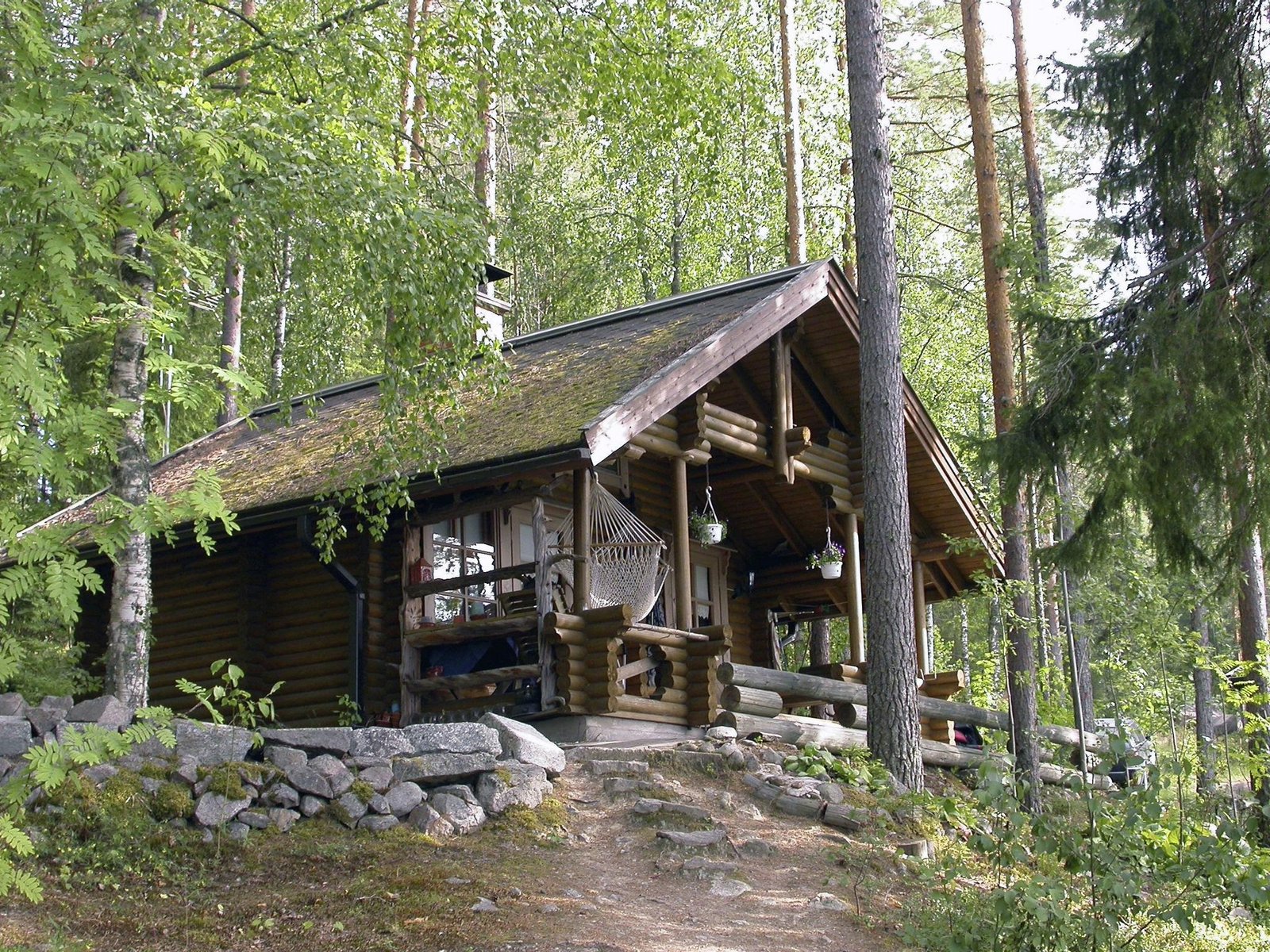
Few building traditions feel as deeply connected to nature as the log architecture of Finland. Across the forests, lakes, and rural landscapes of the Nordic country, generations of craftsmen developed homes and farm buildings that could survive harsh winters while blending naturally into their surroundings. At the center of this heritage stands Tiimatuvat, a term associated with traditional Finnish log buildings and the wider world of Finnish vernacular architecture.
Today, interest in Tiimatuvat is growing among architects, heritage travelers, sustainability advocates, and anyone fascinated by Nordic culture. These structures are not simply old buildings. They represent a centuries-old understanding of timber construction, climate adaptation, and human-scale design that still feels remarkably relevant in the modern world.
What Is Tiimatuvat?
Tiimatuvat refers to a style of traditional Finnish log building, typically a small timber-framed rural structure built using hand-hewn logs and interlocking corner joinery. These buildings formed part of Finnish farmsteads and village landscapes for centuries, serving as dwellings, storage buildings, saunas, workshops, and other essential rural spaces.
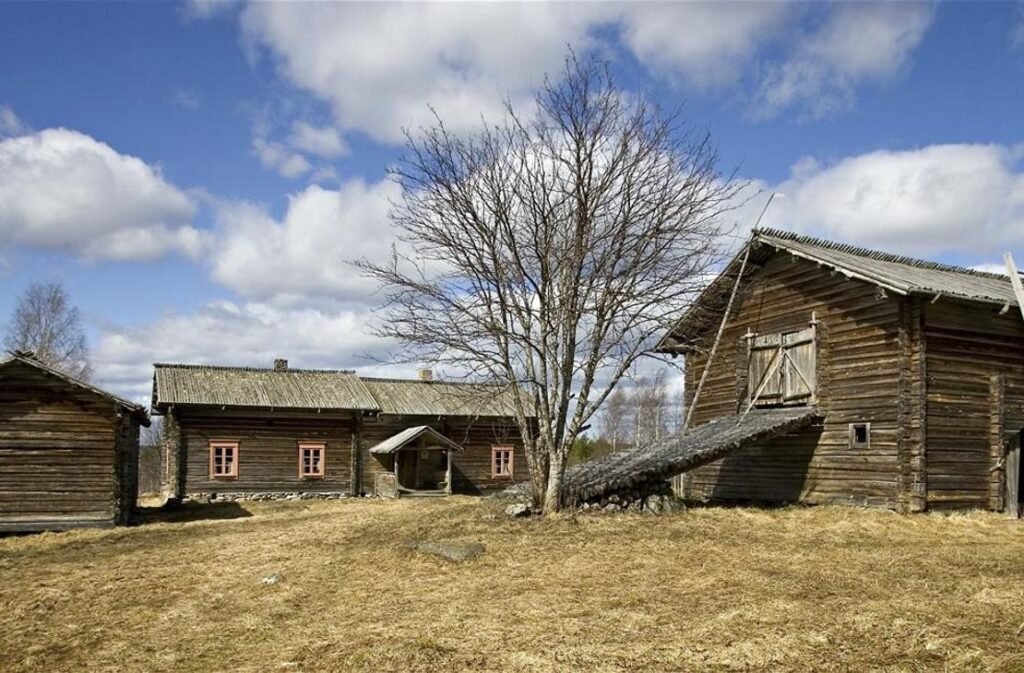
What makes Tiimatuvat special is not only their appearance but also the craftsmanship behind them. Builders shaped and fitted each log by hand, creating durable structures that often lasted for generations without relying on nails or heavy metal fasteners.
The Origins of Traditional Finnish Architecture
Finland’s architectural heritage developed in close dialogue with its environment. Vast forests provided abundant pine and spruce, while long winters demanded buildings that could retain heat efficiently. As a result, timber became the dominant building material across rural Finland.
The tradition of Finnish log construction extends back more than a thousand years, but many surviving examples of Finnish heritage buildings date from the 17th through early 20th centuries. During this period, farm complexes evolved into highly organized groups of specialized log structures arranged around a central yard. Tiimatuvat emerged from this practical and climate-conscious building culture.
Key Features of Finnish Log Buildings
Several characteristics define Tiimatuvat and related Finnish log buildings:
| Feature | Description |
| Hand-hewn timber | Builders shaped pine or spruce logs using axes and adzes. |
| Interlocking corner joinery | Traditional saddle notch and other corner notching methods locked logs together securely without metal hardware. |
| Thick log walls | Solid timber provided insulation and thermal stability during cold Nordic winters. |
| Small recessed windows | Window openings were kept relatively modest to reduce heat loss. |
| Turf or wooden roofs | Roofs often combined birch bark waterproofing with turf insulation or wooden shingles. |
| Moss chinking | Moss, hemp, or similar natural materials sealed gaps between logs. |
These techniques created buildings that were both robust and surprisingly energy-efficient long before modern insulation standards existed.
The Importance of Finnish Sauna Architecture
No discussion of Tiimatuvat is complete without the Finnish sauna. Historically, the sauna was among the most important buildings on a Finnish farm. The oldest form, the savusauna or smoke sauna, is a low, windowless log structure where heated stones once filled the room with smoke before bathing.
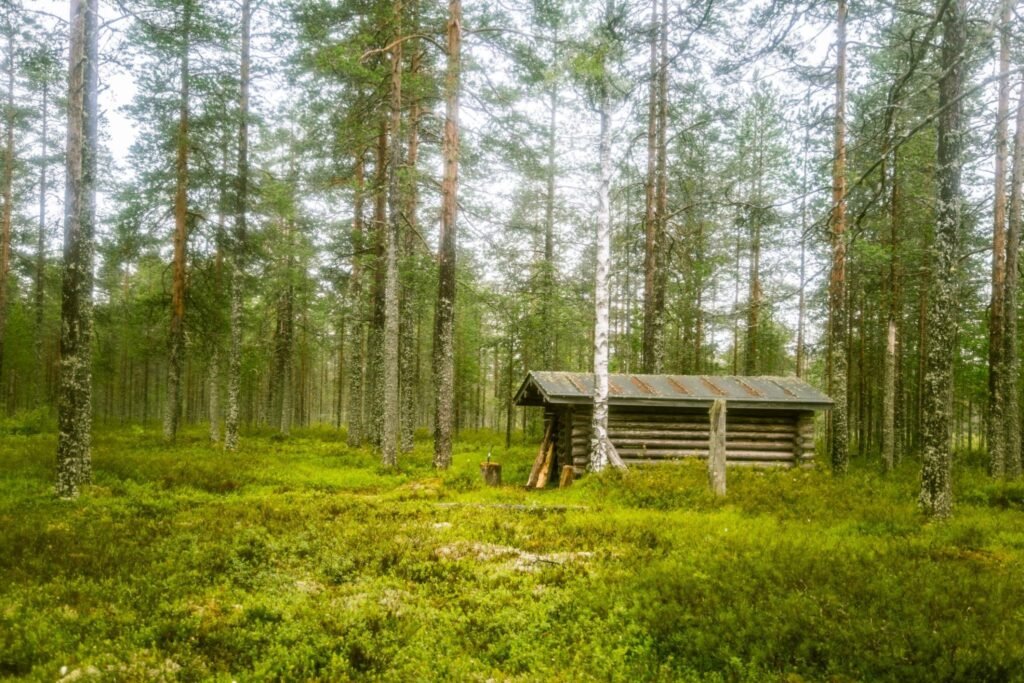
The sauna tradition became internationally recognized when the Finnish sauna culture was added to UNESCO’s Intangible Cultural Heritage list in 2020. This recognition highlights how architecture, ritual, and everyday life are intertwined in Finnish building culture.
Tiimatuvat vs Other Scandinavian Rural Homes
Although Finnish, Swedish, and Norwegian rural buildings share a Nordic timber heritage, Tiimatuvat display several distinctly Finnish characteristics:
- Farmstead layout: Finnish farms traditionally grouped multiple small log buildings around a central yard, creating a functional complex rather than a single dominant house.
- Joinery refinement: Finnish corner joinery techniques, especially the saddle notch, are highly regarded for their precision and durability.
- Sauna integration: The sauna occupies a uniquely central role in Finnish architectural culture, with no exact equivalent elsewhere in Scandinavia.
Why Tiimatuvat Matters Today
Interest in Tiimatuvat extends far beyond historical curiosity. These buildings offer valuable lessons for contemporary design and sustainability.
Sustainable Construction
Traditional Finnish log buildings rely almost entirely on renewable materials. Timber stores carbon, natural insulation materials reduce synthetic inputs, and many structures were designed to last for centuries with relatively modest maintenance. In the context of climate-conscious architecture, this long-lived, repairable construction model has become increasingly attractive.
Cultural Preservation
Tiimatuvat also represent an important part of Finland’s cultural identity. Preserving these buildings protects traditional craftsmanship, regional construction knowledge, and the historical landscapes that shaped rural Finnish life. Heritage tourism centered on Finnish architecture continues to grow as travelers seek authentic cultural experiences rather than generic attractions.
Where to Experience Tiimatuvat in Finland
If you want to see traditional Finnish architecture firsthand, several destinations stand out:
| Destination | Why Visit |
| Seurasaari Open-Air Museum | Features dozens of historic Finnish buildings relocated from across the country, including traditional log farms and Tiimatuvat-style structures. |
| Ylöjärvi Heritage Farm | A preserved 19th-century farm complex that showcases authentic Finnish vernacular architecture. |
| Keuruu Old Church | Demonstrates the relationship between Finnish religious architecture and local timber-building traditions. |
| Oulu Museum of Northern Ostrobothnia | Provides insight into regional variations of Finnish log-building culture. |
What Modern Architects Can Learn From Tiimatuvat
Many contemporary architects study Finnish vernacular buildings because they demonstrate principles that remain relevant:
- Use local materials whenever possible.
- Design for climate rather than fighting it.
- Prioritize durability and repairability.
- Create buildings that age gracefully.
- Integrate architecture with landscape and daily life.
These ideas align closely with current discussions about low-carbon construction, circular design, and resilient housing.
The Future of Tiimatuvat and Finnish Heritage Buildings
The future of Tiimatuvat depends on conservation efforts, skilled restoration work, and public interest. Many historic log buildings survive in open-air museums, protected heritage sites, and active rural properties. Others remain vulnerable to abandonment, moisture damage, and the loss of traditional building skills.
Fortunately, growing awareness of sustainable timber construction has renewed appreciation for these structures. Architects, craftspeople, and cultural organizations are increasingly documenting traditional techniques and adapting their lessons for modern use.
Explore More Topics: Schedow: A Smarter Way to Organize Time and Stay Productive
Conclusion
Tiimatuvat are far more than picturesque log cabins. They represent a sophisticated architectural tradition shaped by climate, craftsmanship, and centuries of practical experience. From hand-hewn timber walls and interlocking corner joinery to turf roofs and smoke saunas, every element reflects a deep understanding of how buildings can work in harmony with the Nordic environment.
For anyone interested in Finnish culture, sustainable architecture, or European heritage, Tiimatuvat offers a compelling window into a building tradition that remains both historically important and surprisingly modern. Exploring Finland’s open-air museums, heritage farms, and preserved rural landscapes is one of the best ways to experience this living architectural legacy for yourself.
