

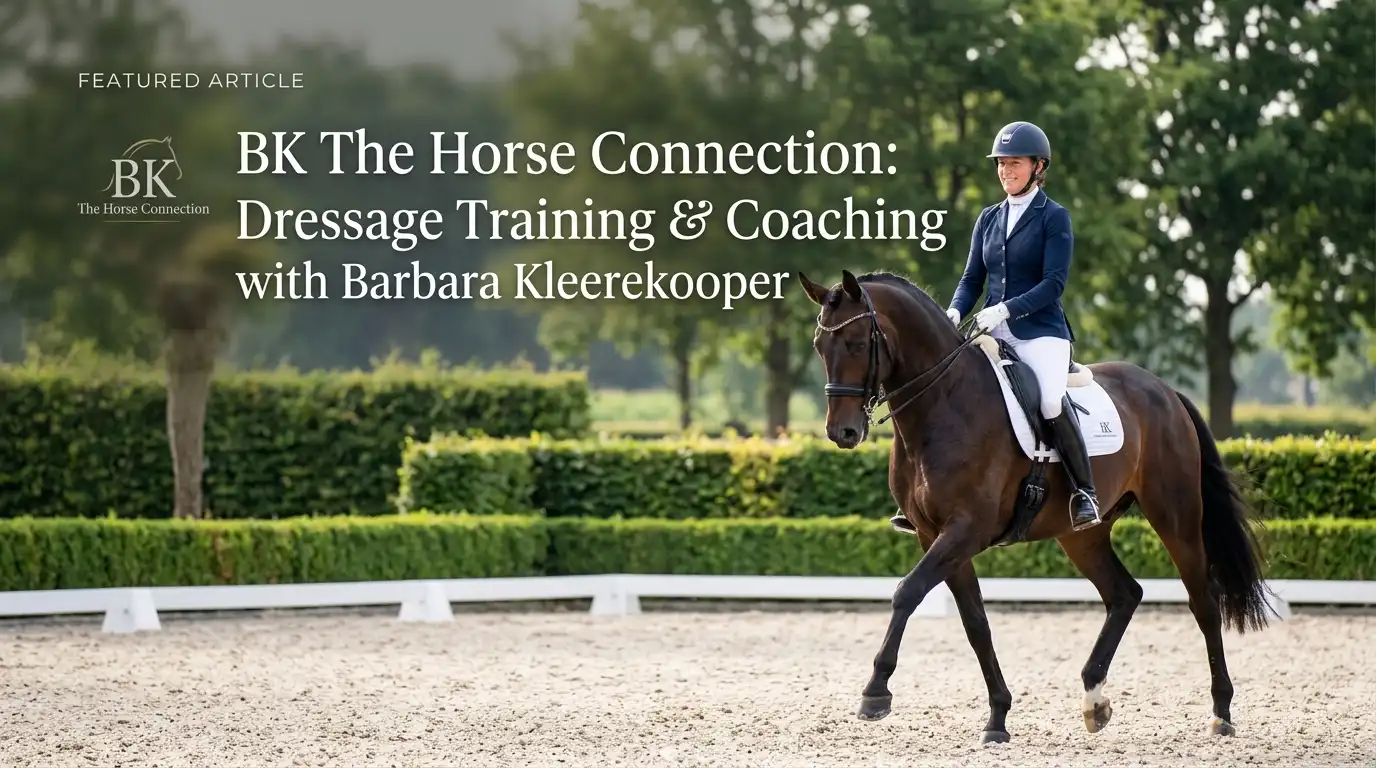
A horse and rider can spend years practicing movements, but true progress comes from understanding communication, balance, and trust. Dressage is not only about performing precise patterns in an arena; it is about creating a partnership where both horse and rider develop confidence together. This idea sits at the center of bk horse, a name connected with Barbara Kleerekooper’s work in dressage training, coaching, and horse development.
Barbara Kleerekooper has built her approach around helping riders improve their skills while respecting the individual needs of each horse. Her training philosophy focuses on correct foundations, thoughtful communication, and long-term improvement rather than quick results.
For riders searching for structured guidance, professional coaching, and a deeper understanding of dressage, BK The Horse Connection represents a training philosophy built around harmony between human and animal. The goal is not simply to teach movements but to help riders understand why those movements work and how they contribute to a healthier, more confident partnership.
This article explores Barbara Kleerekooper’s background, training methods, coaching approach, and what makes this equestrian connection valuable for riders at different levels.
What Is BK The Horse Connection?
BK The Horse Connection is an equestrian training and coaching platform focused on dressage education, horse development, and rider improvement. Founded around Barbara Kleerekooper’s experience and knowledge, the program emphasizes the relationship between horse psychology, correct riding techniques, and effective communication.
Unlike approaches that focus only on competition results, this method places importance on creating a strong foundation. Dressage requires precision, but precision cannot exist without trust, balance, and understanding between horse and rider.
The philosophy behind BK Horse centers on the idea that every horse has its own personality, physical abilities, and learning speed. A successful trainer must recognize these differences and adjust techniques accordingly.
Barbara’s coaching approach aims to help riders understand their horses instead of simply giving commands. This creates a more cooperative partnership where the horse responds because it understands the request rather than because it feels pressured.
Dressage training involves many elements, including:
- Rider position and balance
- Horse flexibility and strength
- Communication through aids
- Movement quality
- Mental confidence
- Progressive skill development
A good training system connects all these areas. When riders understand the purpose behind each exercise, they can create better results and avoid common problems caused by incorrect techniques.
The connection between horse and rider is the foundation of this approach. The name itself reflects the importance of building understanding rather than focusing only on performance.
Barbara Kleerekooper’s Background and Equestrian Philosophy
Barbara Kleerekooper’s work reflects years of involvement in the equestrian world, particularly within dressage. Her approach combines practical riding experience with a focus on education and communication.
Many riders struggle because they learn individual exercises without understanding the bigger picture. For example, a rider may practice a movement repeatedly but still experience problems because the horse lacks balance, confidence, or proper preparation.
Barbara’s training philosophy addresses these challenges by focusing on the reasons behind each movement. Instead of treating dressage as a collection of techniques, she views it as a language between horse and rider.
A horse communicates through body language, movement, and reactions. Riders must learn how to recognize these signals and respond correctly. This creates a two-way conversation rather than a one-sided instruction system.
The principles often associated with this style of coaching include:
Building Trust First
Trust is essential in any horse relationship. A nervous or confused horse cannot perform at its best. Creating a comfortable learning environment allows the animal to develop confidence.
Developing Correct Foundations
Advanced movements depend on basic skills. Balance, rhythm, relaxation, and responsiveness must be developed before expecting complex performance.
Understanding Individual Horses
Every horse learns differently. Some horses need more time, while others require different exercises to overcome specific challenges.
Improving Rider Awareness
A rider’s position, timing, and communication directly affect the horse’s performance. Small changes can create significant improvements.
Through these principles, Barbara’s approach focuses on creating riders who understand their horses instead of simply controlling them.
The Role of Dressage Training in Horse Development
Dressage is often described as the art of communication between horse and rider. At its highest level, movement appears effortless, but that result comes from careful training and consistent development.
Many people associate dressage only with competitions, but the discipline also benefits everyday riding. Proper dressage training can improve a horse’s balance, strength, coordination, and confidence.
The methods connected with the bk horse emphasize progressive learning. A horse should not be rushed into advanced movements before developing the necessary physical and mental abilities.
A typical dressage development process includes several stages:
Creating Relaxation and Rhythm
The first goal is helping the horse move naturally. A relaxed horse can learn more effectively because it is not distracted by tension or fear.
Rhythm creates consistency in movement. Before a horse can perform complex exercises, it must maintain controlled and balanced movement.
Improving Connection
Connection does not mean forcing a horse into a specific position. Instead, it refers to a balanced relationship where the horse responds willingly to the rider’s aids.
The rider learns to use subtle signals through:
- Seat position
- Leg pressure
- Hand communication
- Body alignment
Developing Strength and Balance
Dressage movements require physical ability. Exercises are designed to gradually strengthen the horse’s muscles and improve coordination.
A properly trained horse becomes more comfortable carrying the rider while maintaining natural movement.
Preparing for Advanced Work
Higher-level movements require patience. A strong foundation allows horses to perform difficult exercises with less stress and better understanding.
This approach benefits both competitive riders and those who simply want a healthier partnership with their horses.
Why Rider Education Matters in Dressage
A common mistake among riders is focusing only on the horse’s performance while ignoring their own development. However, the rider plays an equally important role in the partnership.
A horse responds to the rider’s balance, timing, and communication. Even experienced horses can struggle when signals are unclear or inconsistent.
Professional coaching helps riders identify problems they may not notice themselves. Small issues with posture, timing, or technique can affect the entire performance.
Barbara Kleerekooper’s coaching philosophy places importance on educating riders so they understand the connection between their actions and the horse’s responses.
For example:
- A rider leaning forward may affect the horse’s balance.
- Incorrect hand position may create unnecessary tension.
- Poor timing may confuse the horse.
- Lack of confidence may influence the horse’s behavior.
Improving these areas creates better communication.
The purpose of coaching is not only to correct mistakes but also to help riders become independent thinkers. A knowledgeable rider can adapt to different horses and situations.
This educational focus separates effective training from simple instruction. Riders learn how to analyze movement, understand behavior, and make better decisions.
Barbara Kleerekooper’s Coaching Approach and Training Methods
Successful dressage coaching requires more than teaching movements. A trainer must understand the relationship between technique, horse behavior, and rider confidence. Barbara Kleerekooper’s approach focuses on creating a learning process where both horse and rider improve together.
The foundation of BK horse training is based on communication rather than force. In dressage, the smallest details can influence performance. A slight change in a rider’s position or timing can affect how a horse responds.
A structured coaching approach usually begins by evaluating the current abilities of both horse and rider. This allows training sessions to focus on specific needs rather than using the same method for every partnership.
Important areas of development include:
Rider Position and Balance
A balanced rider allows the horse to move freely. Poor posture can create confusion because the horse receives unclear signals.
Coaching helps riders understand:
- How to maintain a stable seat
- How to use their body correctly
- How to avoid unnecessary tension
- How to communicate through subtle aids
The goal is to make communication natural and understandable.
Horse Movement Analysis
Every horse has unique strengths and challenges. Some horses may struggle with flexibility, while others may need confidence or better rhythm.
A trainer observes:
- Movement quality
- Body alignment
- Reaction to rider signals
- Mental comfort
- Physical development
This evaluation helps create a suitable training plan.
Progressive Skill Building
Dressage is built step by step. A horse that understands basic concepts can gradually develop more advanced skills.
Rushing training often creates frustration. A patient approach creates stronger results because the horse understands each stage before moving forward.
The coaching philosophy connected with this equestrian work focuses on long-term improvement rather than short-term achievements.
Developing a Strong Partnership Between Horse and Rider
The relationship between a horse and rider is one of the most important parts of successful dressage. Technical knowledge matters, but without trust and understanding, progress becomes difficult.
A strong partnership develops through consistency. Horses learn from repetition, clear communication, and positive experiences.
The approach behind the black horse highlights several important elements of partnership development.
Understanding Horse Behavior
Horses communicate differently from humans. They use body language, reactions, and movement patterns to express comfort, stress, or confusion.
A skilled rider learns to recognize these signs.
For example:
- A horse avoiding contact may be showing discomfort.
- Resistance during an exercise may indicate confusion.
- Sudden tension may suggest fear or uncertainty.
Understanding these signals helps riders respond appropriately.
Creating Confidence
Confidence is essential for both horse and rider. A nervous rider can unintentionally create tension, while a nervous horse may struggle to learn.
Training should create positive experiences where the horse understands expectations without unnecessary pressure.
Building Consistency
Horses respond well to clear routines. Inconsistent communication can slow progress because the animal receives mixed messages.
Good training creates predictable communication between both partners.
Respecting Individual Differences
Not every horse develops at the same speed. Age, experience, personality, and physical condition all influence progress.
A successful trainer recognizes these differences and adjusts the program accordingly.
This personalized approach allows riders to build stronger relationships with their horses and achieve better results over time.
Dressage Techniques and Skills Riders Learn
Dressage includes a wide range of exercises designed to improve the horse’s balance, obedience, flexibility, and athletic ability.
While advanced movements often receive attention, they depend on smaller skills developed throughout training.
Some important areas include:
Rhythm and Tempo Control
A consistent rhythm allows the horse to move with balance and confidence. Riders learn how to maintain the correct pace without rushing or slowing unnecessarily.
Good rhythm improves communication because the horse becomes more predictable.
Straightness
Straightness helps the horse use its body correctly. When a horse moves unevenly, it can create physical stress and reduce performance.
Training focuses on helping the horse maintain proper alignment.
Suppleness
Flexibility allows horses to move comfortably through different exercises. Suppleness improves coordination and reduces unnecessary tension.
Collection
Collection is one of the more advanced concepts in dressage. It involves the horse carrying more weight on its hindquarters while maintaining balance and movement quality.
This skill requires strength, preparation, and correct training.
Transitions
Transitions between movements are essential because they show communication between horse and rider.
A smooth transition demonstrates understanding, balance, and control.
These techniques are not learned overnight. They require patience, practice, and guidance from experienced coaches.
How Training Benefits Different Types of Riders
Dressage training is not only for professional competitors. Riders with different goals can benefit from structured coaching.
Beginner Riders
New riders often need help developing correct habits from the beginning. Learning proper position and communication early prevents problems later.
A good coach helps beginners understand how their actions influence the horse.
Amateur Riders
Many recreational riders want to improve their skills while building a stronger connection with their horses.
Training can help them become more confident and effective.
Competitive Riders
Competition riders require detailed preparation. Small improvements in technique can influence performance scores.
Advanced coaching helps refine movements and improve consistency.
Horse Owners
Some owners simply want to understand their horses better. Training provides knowledge that improves everyday interactions.
The philosophy behind this type of coaching applies to anyone who wants a healthier relationship with their horse.
Real-World Examples of Dressage Training Applications
Understanding how training works becomes easier through practical examples.
Example 1: Improving a Nervous Horse
A rider may have a horse that becomes anxious during new situations. Instead of forcing the horse forward, a thoughtful trainer focuses on building confidence.
The process may include:
- Introducing new environments gradually
- Creating positive experiences
- Rewarding calm behavior
- Improving rider confidence
Over time, the horse becomes more comfortable.
Example 2: Fixing Communication Problems
Sometimes a rider believes a horse is being difficult, but the real issue is unclear communication.
For example, a rider asking for a movement without correct timing may confuse the horse.
Training helps the rider improve:
- Timing
- Body position
- Understanding of aids
The result is clearer communication.
Example 3: Preparing for Competition
A competitive rider may already understand basic techniques but needs refinement.
Coaching can focus on:
- Improving movement quality
- Creating smoother transitions
- Increasing consistency
- Developing confidence before events
Small improvements can create noticeable changes.
Common Mistakes Riders Make in Dressage Training
Expecting Fast Results
One of the biggest mistakes is rushing development. Horses need time to build physical strength and mental understanding.
Advanced movements should come after proper preparation.
Focusing Only on the Horse
Some riders blame the horse without examining their own technique.
The rider’s position, timing, and communication have a major effect on performance.
Improvement requires both partners to develop.
Using Too Much Force
Dressage is based on communication, not control through pressure.
Excessive force can create resistance and reduce trust.
A skilled rider learns how to use subtle signals effectively.
Ignoring the Horse’s Individual Needs
Every horse has different abilities and challenges.
A training method that works for one horse may not work for another.
Personalized approaches create better outcomes.
Practicing Without Understanding
Repeating an exercise without understanding its purpose can limit improvement.
Riders should know:
- Why are they performing an exercise
- What result do they expect
- How does it benefit the horse
Understanding creates better training decisions.
BK The Horse Connection Compared With Traditional Dressage Training Approaches
Dressage training can vary significantly depending on the trainer’s philosophy, experience, and methods. Some programs focus mainly on competition results, while others place greater importance on the relationship between horse and rider.
The approach connected with the black horse emphasizes education, communication, and long-term development. Instead of focusing only on achieving specific movements, the training process gives importance to understanding why those movements work and how they affect the horse.
A traditional competition-focused program may prioritize:
- Competition preparation
- Performance scores
- Technical precision
- Meeting specific standards
These elements are important, especially for riders who compete at higher levels. However, a strong foundation is still necessary for consistent performance.
A relationship-based training approach focuses more on:
- Horse confidence
- Rider awareness
- Communication skills
- Individual learning speed
- Sustainable progress
Both approaches can have value depending on the rider’s goals. A competitive rider may need detailed technical preparation, while a recreational rider may prioritize confidence and partnership.
The strongest training programs often combine both elements. They teach correct techniques while also respecting the horse’s physical and emotional needs.
Barbara Kleerekooper’s work reflects this balanced perspective by focusing on creating knowledgeable riders who understand their horses. This helps riders make better decisions during training sessions and everyday riding.
Why Choosing the Right Dressage Coach Matters
Finding the right coach can influence a rider’s entire development. A good trainer does not simply give instructions; they help riders understand their own learning process.
The connection between coach, rider, and horse must be based on trust and clear communication.
Important qualities to consider when choosing a dressage coach include:
Experience and Knowledge
A coach should understand both riding techniques and horse behavior. Experience helps trainers identify problems quickly and provide practical solutions.
Teaching Ability
Being a skilled rider does not automatically mean someone is a good teacher. A successful coach must explain concepts clearly and adapt lessons to different learning styles.
Understanding Individual Goals
Every rider has different objectives. Some want competition success, while others want better communication with their horse.
A good trainer creates a plan that matches those goals.
Respect for the Horse
The best training methods consider the horse’s physical and mental condition. A horse should be developed gradually and treated as a partner.
The principles behind bk horse highlight the importance of education, patience, and respect throughout the training journey.
The Importance of Continuous Learning in Equestrian Sports
Riding is a skill that continues developing throughout a person’s life. Even experienced riders constantly learn new techniques and improve their understanding of horses.
Dressage requires awareness of many details, including:
- Body control
- Timing
- Balance
- Movement analysis
- Horse psychology
Continuous education helps riders adapt and improve.
A rider who continues learning becomes better at recognizing small changes in their horse’s behavior and performance.
For example, a horse that suddenly struggles with a familiar exercise may not simply be refusing. The issue could involve physical discomfort, confusion, or a change in confidence.
Education allows riders to look deeper instead of reacting immediately.
This mindset creates healthier partnerships because decisions are based on understanding rather than frustration.
Frequently Asked Questions About BK The Horse Connection
1. What is BK The Horse Connection?
BK The Horse Connection is an equestrian training and coaching approach associated with Barbara Kleerekooper. It focuses on dressage education, rider development, horse communication, and creating a stronger partnership between horses and riders through structured training methods.
2. Who is Barbara Kleerekooper?
Barbara Kleerekooper is an equestrian professional known for her involvement in dressage training and coaching. Her approach emphasizes understanding horse behavior, improving rider skills, and developing communication between horse and rider.
3. What type of training does BK The Horse Connection provide?
The program focuses on dressage coaching, rider improvement, horse development, and improving communication. Training generally involves building strong foundations, improving technique, and helping riders understand their horses more effectively.
4. Is dressage only for competition riders?
No. Dressage can benefit riders at different levels, including beginners, hobby riders, and competitive athletes. The principles of balance, communication, and control can improve general riding skills and create a stronger relationship with a horse.
5. Why is communication important in dressage?
Communication allows the horse and rider to work together effectively. Horses respond to body signals, timing, and rider confidence. Clear communication reduces confusion and helps create smoother, more balanced movements.
6. How long does it take to improve in dressage?
Progress depends on many factors, including the rider’s experience, the horse’s abilities, training consistency, and coaching quality. Dressage development is a gradual process that improves through regular practice and understanding.
7. What makes a good dressage training approach?
A good approach combines technical knowledge with respect for the horse. Effective training develops correct foundations, improves rider awareness, and considers the individual needs of each horse instead of using the same method for everyone.
Conclusion
Dressage is built on patience, communication, and trust. The strongest partnerships develop when riders understand their horses and create a training environment based on confidence and respect. BK Horse represents an approach centered on improving both horse and rider through education, thoughtful coaching, and proper foundations.
Barbara Kleerekooper’s training philosophy shows that successful riding is not only about performing movements but also about creating a deeper connection between two partners. Whether a rider wants to compete, improve skills, or simply understand their horse better, a structured and respectful training method can make a meaningful difference.
By focusing on communication, balance, and continuous learning, riders can build a partnership that supports long-term growth and enjoyment in the equestrian world.
