

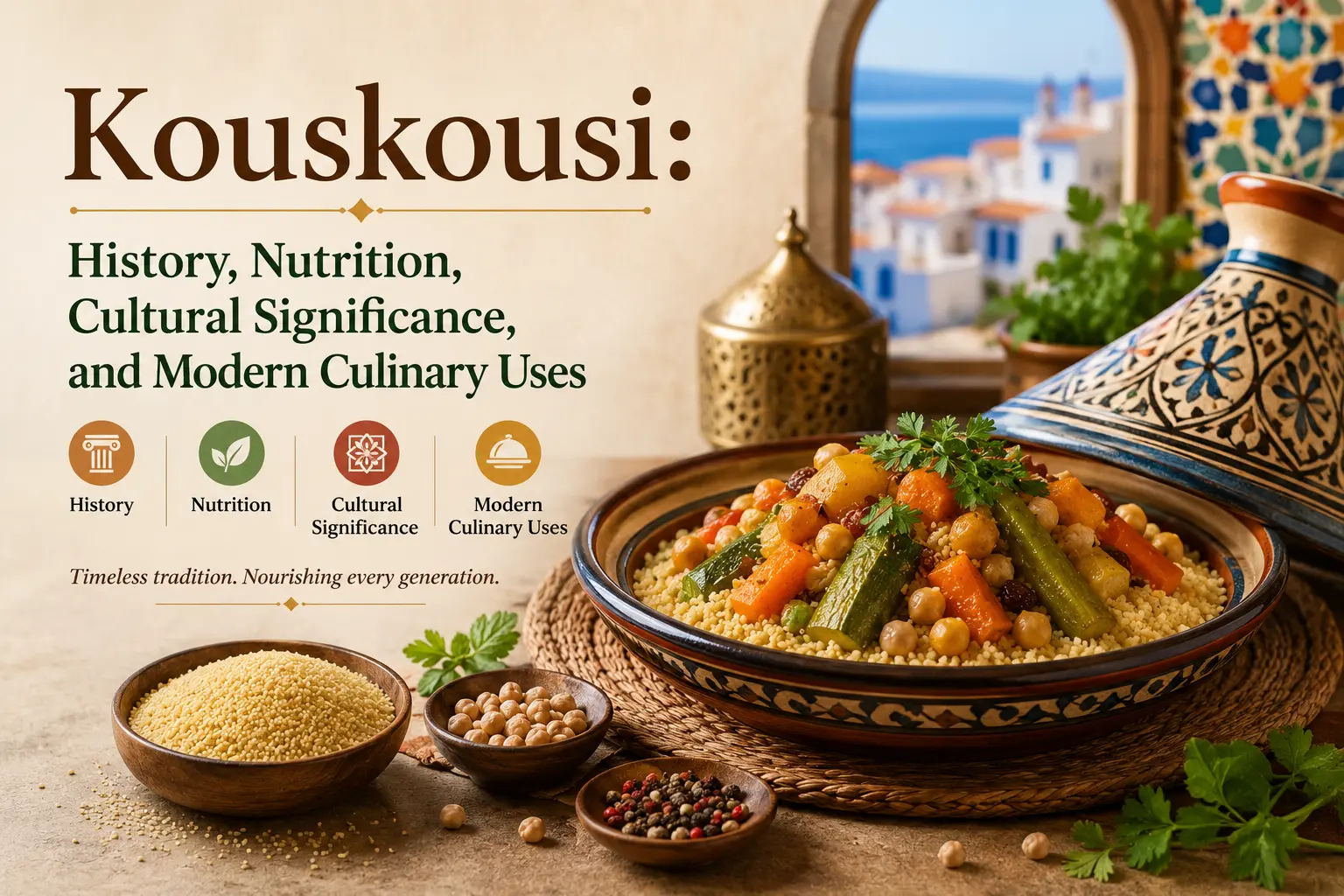
Food is often more than nourishment. It reflects history, culture, identity, and the traditions that connect generations. Across the Mediterranean and North Africa, few foods embody these qualities as strongly as Kouskousi.
For centuries, families have gathered around communal dishes prepared from semolina grains, vegetables, aromatic spices, and slow-cooked stews. Today, this traditional staple continues to evolve, appearing in home kitchens, restaurants, and modern health-conscious meal plans worldwide.
As global interest in authentic cuisine grows, many people are discovering the rich heritage, nutritional value, and versatility associated with this remarkable food. This comprehensive guide explores its origins, preparation methods, health benefits, cultural importance, and growing role in contemporary cuisine.
What Is Kouskousi?
Kouskousi is generally understood as a traditional semolina-based food closely related to couscous, a staple across North African and Mediterranean culinary traditions. Depending on the region, the term may refer to hand-rolled semolina granules, steamed couscous, or larger pasta-like variations found in parts of Greece and the Balkans.
Although often mistaken for a grain, it is technically a form of pasta made from durum wheat semolina and water. The tiny granules are traditionally steamed rather than boiled, creating a light and fluffy texture that absorbs surrounding flavors exceptionally well.
Its versatility allows it to complement vegetables, legumes, seafood, poultry, and meat dishes, making it one of the most adaptable foods in Mediterranean cuisine.
Historical Origins and Cultural Roots
The history of semolina-based dishes stretches back centuries.
Food historians generally trace the origins of couscous-like preparations to Berber communities in North Africa. Over time, trade routes, migration, and cultural exchange helped spread these culinary traditions throughout the Mediterranean region.
Countries commonly associated with these traditions include:
- Morocco
- Algeria
- Tunisia
- Libya
- Greece
- Parts of the Balkans
Historically, families prepared semolina grains by hand, carefully rolling and steaming them over simmering broths. This labor-intensive process often became a communal activity that strengthened social and family bonds.
The dish eventually evolved into a symbol of hospitality, celebration, and cultural identity.
UNESCO Recognition and Cultural Importance
Traditional couscous preparation received international recognition when UNESCO added the cultural practices associated with couscous to its Intangible Cultural Heritage list. This acknowledgment highlighted the dish’s significance beyond nutrition and emphasized its role in preserving cultural traditions.
Across many communities, these meals are traditionally served during:
- Religious celebrations
- Weddings
- Family gatherings
- Community events
- Seasonal festivals
The preparation process itself often carries symbolic meaning, representing cooperation, generosity, and shared heritage.
Nutritional Profile
One reason for the enduring popularity of semolina-based dishes is their nutritional balance.
A typical serving provides:
- Complex carbohydrates
- Plant-based protein
- Selenium
- B vitamins
- Iron
- Fiber (depending on preparation)
Whole-grain varieties offer additional nutritional advantages, including higher fiber content and improved satiety.
Because semolina is derived from durum wheat, it delivers sustained energy and can fit well within balanced dietary patterns.
Key Health Benefits
1. Sustainable Energy Source
Complex carbohydrates remain the body’s preferred fuel source.
Unlike highly processed foods that can cause rapid spikes and crashes in blood sugar, semolina-based foods provide a more gradual release of energy.
This makes them particularly useful for:
- Active individuals
- Students
- Professionals
- Athletes
- Families seeking balanced meals
2. Supports Digestive Health
When prepared with whole grains and vegetables, the dish contributes valuable dietary fiber.
Fiber helps:
- Support healthy digestion
- Promote regular bowel movements
- Encourage beneficial gut bacteria
- Improve satiety
Many nutrition experts recommend increasing fiber intake as part of a healthy eating pattern.
3. Rich in Selenium
Durum wheat products provide selenium, an essential mineral that plays a role in:
- Immune function
- Thyroid health
- Antioxidant protection
- Cellular maintenance
Adequate selenium intake contributes to overall wellness and supports multiple biological processes.
4. Heart-Conscious Meal Option
When paired with vegetables, legumes, and healthy fats such as olive oil, Mediterranean-style meals centered around semolina grains can support heart-friendly eating patterns.
Research consistently links Mediterranean dietary habits with improved cardiovascular health outcomes.
Traditional Preparation Methods
Traditional preparation remains one of the most fascinating aspects of this culinary heritage.
Historically, cooks followed a multi-step process:
Step 1: Rolling the Semolina
Durum wheat semolina is moistened and carefully rolled into small granules.
Step 2: Drying
The granules are dried to achieve stability and proper texture.
Step 3: Steaming
Rather than boiling directly in water, the grains are steamed above a simmering stew or broth.
Step 4: Fluffing
The cooked granules are gently separated to maintain a light texture.
This steaming technique distinguishes traditional preparation from many modern instant varieties.
Regional Variations Across the Mediterranean
Different regions have developed their own unique interpretations.
Morocco
Moroccan preparations often feature:
- Lamb
- Chickpeas
- Root vegetables
- Saffron
- Preserved lemon
The result is a fragrant and richly flavored meal.
Algeria
Algerian versions frequently incorporate:
- Lamb
- Meatballs
- Seasonal vegetables
- Tomato-based sauces
These preparations tend to emphasize robust flavors.
Tunisia
Tunisian cuisine often adds:
- Harissa
- Seafood
- Spicy broths
- Hot peppers
This creates a bolder and more intense flavor profile.
Greece and the Balkans
Certain Greek and Balkan traditions use larger toasted semolina pasta shapes that share similarities in name and culinary function. These versions typically have a firmer texture and are often used in soups and baked dishes.
Why Modern Chefs Love It
Professional chefs appreciate semolina-based foods for several reasons.
Flavor Absorption
The grains readily absorb surrounding flavors.
Adaptability
They pair well with:
- Vegetables
- Seafood
- Poultry
- Red meat
- Plant-based proteins
Presentation
The fluffy texture creates visually appealing dishes suitable for both casual and fine dining.
Efficiency
Modern instant varieties significantly reduce preparation time while preserving much of the traditional appeal.
Plant-Based and Vegetarian Applications
The rise of plant-based eating has contributed to renewed interest in traditional Mediterranean staples.
Vegetarian versions commonly include:
- Chickpeas
- Lentils
- Roasted vegetables
- Herbs
- Olive oil
These combinations provide:
- Fiber
- Protein
- Vitamins
- Minerals
- Antioxidants
As a result, many nutrition-conscious consumers view these dishes as practical and satisfying alternatives to heavily processed foods.
Global Popularity and Market Growth
Mediterranean cuisine continues gaining popularity worldwide.
Several factors contribute to this trend:
Health Awareness
Consumers increasingly seek nutrient-dense foods with simple ingredient lists.
Culinary Exploration
People are showing greater interest in authentic international cuisines.
Convenience
Modern preparation methods make traditional dishes more accessible.
Sustainability
Plant-forward meals often have lower environmental impacts compared to heavily meat-based diets.
These trends have helped traditional Mediterranean staples maintain relevance in contemporary food culture.
Cooking Ideas for Modern Kitchens
Today’s home cooks use semolina-based dishes in creative ways.
Popular applications include:
Mediterranean Bowls
Combine with:
- Grilled vegetables
- Hummus
- Chickpeas
- Feta cheese
Warm Salads
Mix with:
- Roasted vegetables
- Fresh herbs
- Citrus dressing
Protein Pairings
Serve alongside:
- Grilled chicken
- Salmon
- Lamb
- Shrimp
Plant-Based Meals
Pair with:
- Lentils
- Beans
- Tofu
- Seasonal vegetables
Its versatility makes it suitable for virtually any meal style.
Frequently Asked Questions
Is Kouskousi the same as couscous?
In many contexts, yes. The term is often used regionally to describe couscous or closely related semolina-based preparations.
Is it healthy?
When prepared with vegetables, legumes, and healthy fats, it can be part of a balanced and nutritious diet.
Does it contain gluten?
Yes. Traditional versions are made from durum wheat semolina and therefore contain gluten.
Can vegetarians eat it?
Absolutely. Many traditional and modern recipes are entirely plant-based.
Why has it remained popular for centuries?
Its affordability, versatility, nutritional value, and cultural significance have contributed to its lasting appeal.
The Future of Traditional Mediterranean Foods
As consumers increasingly prioritize wellness, authenticity, and sustainability, traditional foods are experiencing renewed appreciation.
Several factors suggest continued growth:
- Interest in Mediterranean diets
- Demand for minimally processed foods
- Expansion of plant-based eating
- Culinary tourism
- Cultural preservation efforts
These trends position traditional semolina-based dishes for continued relevance in both home kitchens and professional culinary settings.
Conclusion
Kouskousi represents far more than a simple food. It is a symbol of history, family, community, and cultural continuity. From ancient North African origins to modern global popularity, its journey reflects centuries of culinary innovation and human connection.
Its nutritional benefits, adaptability, and rich cultural significance explain why it continues to thrive in contemporary cuisine. Whether enjoyed in a traditional family gathering or incorporated into a modern healthy meal, this timeless staple demonstrates how food can bridge generations, cultures, and communities.
As interest in authentic and nutritious eating continues to grow, its place within global culinary traditions appears stronger than ever.
Read More: Caquis Persimon: Benefits, Nutrition, Uses & Why This Sweet Fruit Is Growing in Popularity
