

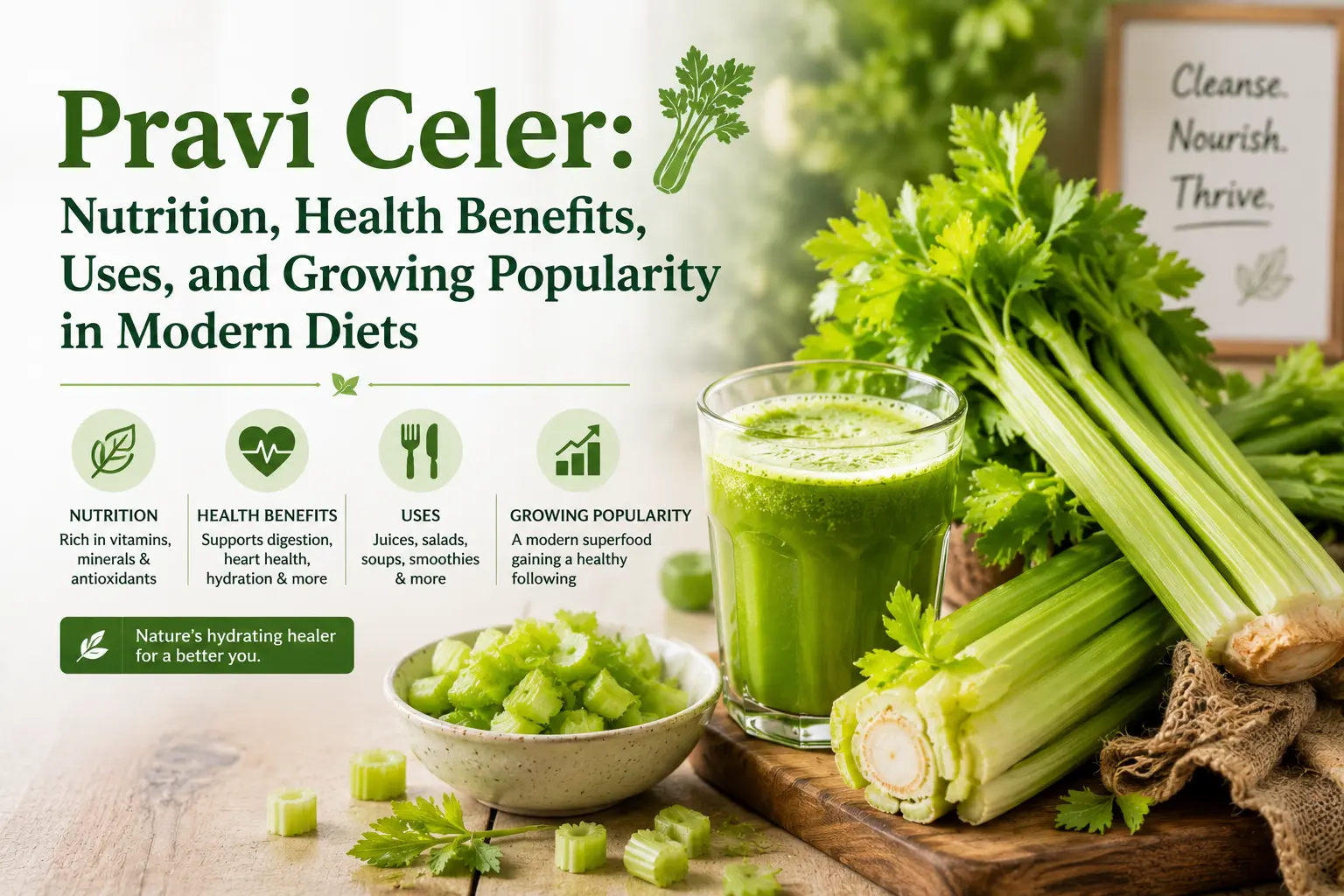
Root vegetables have played an essential role in human nutrition for centuries. Among the many nutritious options available today, one vegetable stands out for its unique flavor, impressive nutrient profile, and culinary versatility: pravi celer.
Known internationally as celeriac or celery root, this vegetable is often overshadowed by traditional celery stalks. However, nutrition experts, chefs, and health-conscious consumers increasingly recognize its value as a nutrient-dense food that supports overall wellness.
From heart health and digestion to weight management and culinary creativity, this remarkable root vegetable offers a wide range of benefits. In this comprehensive guide, we’ll explore its nutritional value, health advantages, culinary applications, cultivation, and why it is becoming increasingly popular in modern healthy eating plans.
What Is Pravi Celer?
Pravi celer refers to celeriac, a root vegetable scientifically known as Apium graveolens var. rapaceum. Although it belongs to the same family as celery, parsley, and parsnips, it is cultivated primarily for its edible root rather than its stalks.
The vegetable has a rough, knobby exterior and creamy-white flesh inside. While its appearance may seem unusual, its flavor is highly appreciated in European cuisine. Many describe its taste as a combination of celery, parsley, and mild earthiness.
Celeriac has been a staple ingredient across Central and Eastern Europe for generations and remains widely used in soups, stews, salads, and roasted vegetable dishes.
Nutritional Profile
One of the main reasons nutritionists recommend this vegetable is its exceptional nutrient density relative to its calorie content.
According to nutritional data, a 100-gram serving contains approximately:
- 42 calories
- 9.2 grams of carbohydrates
- 1.8 grams of dietary fiber
- 1.5 grams of protein
- Minimal fat content
- Vitamin C
- Vitamin K
- Vitamin B6
- Potassium
- Phosphorus
- Manganese
Unlike potatoes and many other root vegetables, celeriac contains fewer carbohydrates while still providing satisfying texture and flavor.
This combination makes it attractive to individuals seeking balanced nutrition and calorie-conscious meal options.
A Rich Source of Dietary Fiber
Fiber remains one of the most under-consumed nutrients worldwide.
Health organizations consistently emphasize the importance of adequate fiber intake for digestive health, blood sugar regulation, and cardiovascular wellness.
Celeriac naturally provides dietary fiber that supports:
Healthy Digestion
Fiber helps move food efficiently through the digestive tract and may reduce the risk of constipation.
Gut Microbiome Support
Beneficial gut bacteria rely on dietary fiber as a food source. A healthy microbiome has been linked to improved digestion, metabolism, and immune function.
Improved Satiety
Fiber-rich foods promote feelings of fullness, potentially helping with appetite control and healthy weight management.
Heart Health Benefits
Cardiovascular disease remains one of the leading causes of death globally, making heart-friendly foods increasingly important.
The nutrient composition of pravi celer may contribute positively to cardiovascular wellness.
Potassium for Blood Pressure Regulation
Potassium helps balance sodium levels and supports healthy blood pressure regulation. Diets rich in potassium are associated with a lower risk of hypertension and stroke.
Antioxidant Protection
The vegetable contains antioxidants, including vitamin C, which help combat oxidative stress and support vascular health.
Fiber and Cholesterol Management
Fiber-rich foods have been linked to improved cholesterol profiles and overall cardiovascular health.
When incorporated into a balanced diet, root vegetables like celeriac can contribute to long-term heart wellness.
Bone Health and Structural Support
Strong bones require more than just calcium.
Nutrients such as vitamin K and phosphorus play crucial roles in maintaining skeletal integrity.
Vitamin K
Research suggests vitamin K contributes to bone mineralization and may help reduce fracture risk. Celeriac is considered an excellent source of this important nutrient.
Phosphorus
Phosphorus works alongside calcium to support healthy bone formation and maintenance.
These nutrients make the vegetable a valuable addition to balanced diets focused on healthy aging.
Antioxidant Properties
Oxidative stress occurs when free radicals overwhelm the body’s natural defense systems.
Over time, this process may contribute to aging and chronic disease development.
The antioxidants present in celeriac help neutralize harmful molecules and support cellular health. Key antioxidants include:
- Vitamin C
- Polyphenols
- Plant compounds with anti-inflammatory properties
Regular consumption of antioxidant-rich vegetables is associated with improved long-term health outcomes.
A Smart Alternative to Potatoes
Many consumers seek lower-carbohydrate alternatives to traditional starchy vegetables.
Because celeriac contains fewer carbohydrates than potatoes while providing a similar texture when cooked, it has become increasingly popular among:
- Weight-conscious individuals
- Low-carb eaters
- Diabetic meal planners
- Fitness enthusiasts
Mashed celeriac, roasted cubes, and vegetable purees can replace potatoes in numerous recipes while reducing calorie and carbohydrate intake.
Culinary Uses Around the World
One reason this vegetable has remained popular for centuries is its versatility in the kitchen.
Raw Preparations
Fresh celeriac can be:
- Grated into salads
- Added to slaws
- Combined with apples and carrots
- Used in traditional remoulade dishes
Roasted Dishes
Roasting enhances its natural sweetness and creates a rich, nutty flavor profile.
Soups and Stews
Many European soups rely on celery root as a foundational ingredient because it adds depth and aroma.
Purees and Mash
A creamy puree made from celeriac provides a sophisticated alternative to mashed potatoes.
Vegetable Medleys
It pairs exceptionally well with:
- Carrots
- Parsnips
- Mushrooms
- Onions
- Garlic
- Herbs
Its adaptability makes it a favorite among both home cooks and professional chefs.
Agricultural Importance
Beyond its nutritional value, celeriac contributes to agricultural diversity.
Farmers appreciate the crop because:
- It grows well in temperate climates.
- It stores effectively during winter.
- It supports seasonal food systems.
- It offers strong culinary demand in many regions.
The crop is particularly common throughout Europe, where root vegetables remain an important part of traditional diets.
As consumers increasingly prioritize locally grown produce, interest in root crops continues to rise.
Why Health Experts Recommend More Root Vegetables
Modern dietary guidelines consistently encourage greater vegetable consumption.
Root vegetables offer several advantages:
Long Shelf Life
Many can be stored for extended periods without significant quality loss.
Nutrient Density
They provide vitamins, minerals, and fiber at relatively low calorie levels.
Culinary Flexibility
They can be roasted, boiled, mashed, baked, or eaten raw.
Seasonal Availability
Many remain available during colder months when fresh produce options may be limited.
For these reasons, nutrition professionals often recommend incorporating a variety of root vegetables into weekly meal plans.
How to Select and Store Celeriac
Choosing high-quality produce ensures better flavor and texture.
When shopping, look for:
- Firm roots
- Smooth surfaces
- Moderate size
- No soft spots
- Minimal cracking
Storage Tips:
- Keep refrigerated.
- Store in a vegetable drawer.
- Avoid excessive moisture.
- Use within several weeks for optimal freshness.
Proper storage helps preserve both flavor and nutritional value.
Potential Considerations
Although safe for most individuals, some people should exercise caution.
Those taking blood-thinning medications should consult healthcare professionals regarding vitamin K intake because fluctuations can affect medication effectiveness.
Individuals with certain kidney conditions may also need guidance regarding potassium-rich foods.
As with any dietary change, personalized medical advice remains important.
Future Trends and Growing Popularity
Consumer interest in nutrient-dense whole foods continues increasing worldwide.
Several trends support the growing popularity of celery root:
Plant-Based Eating
Vegetables are playing larger roles in modern meal planning.
Functional Nutrition
Consumers increasingly seek foods that provide measurable health benefits.
Culinary Exploration
Interest in traditional European ingredients continues expanding globally.
Sustainable Agriculture
Root vegetables generally require fewer processing resources than many packaged foods.
These factors suggest continued growth in demand over the coming years.
Frequently Asked Questions
Is pravi celer the same as celery?
No. While they belong to the same plant family, celeriac is grown for its edible root, whereas celery is cultivated primarily for its stalks.
Can it be eaten raw?
Yes. It is commonly grated into salads and slaws.
Is it good for weight loss?
Its low calorie content and fiber make it suitable for many weight-management plans.
What does it taste like?
The flavor resembles celery but with a slightly earthy and nutty character.
Is it healthier than potatoes?
Both vegetables have nutritional value, but celeriac generally contains fewer calories and carbohydrates.
Conclusion
Pravi celer represents one of the most underrated vegetables in modern nutrition. Rich in fiber, vitamins, minerals, and antioxidants, it offers a combination of health benefits that support digestion, cardiovascular wellness, bone health, and overall vitality.
Its versatility in the kitchen, relatively low calorie content, and growing popularity among health-conscious consumers make it an excellent addition to a balanced diet. Whether roasted, mashed, pureed, or served raw in salads, this nutrient-packed root vegetable deserves greater recognition.
As interest in whole foods and sustainable nutrition continues to expand, celeriac is well positioned to become a staple ingredient for individuals seeking flavorful, nourishing, and practical dietary choices.
Read More: Vitilinox: Complete Guide to Benefits, Ingredients, Uses, and Scientific Perspective
