

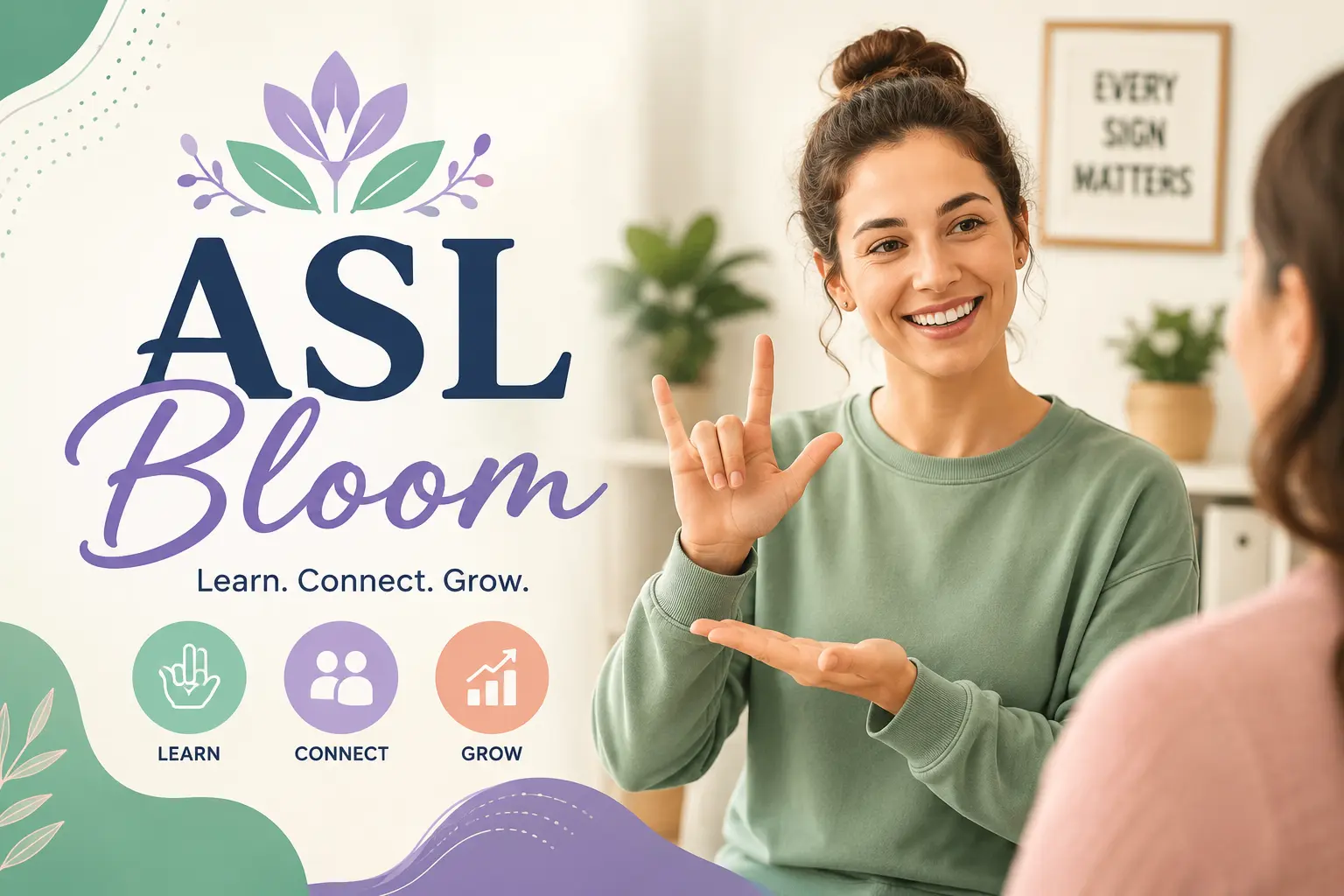
Language helps people connect, express ideas, and build meaningful relationships. For individuals who communicate through sign language, learning becomes even more engaging when modern educational tools are involved. ASL Bloom is one such learning resource that focuses on making American Sign Language easier to understand for beginners, families, educators, and anyone interested in improving their communication skills.
Unlike traditional learning methods that often rely on long textbooks or classroom-only lessons, ASL Bloom encourages interactive learning through practical activities, visual guidance, and step-by-step progress. As a result, learners can develop confidence while practicing real-life conversations.
Whether your goal is to learn basic signs, support a family member, or expand your communication abilities, this guide explains everything you need to know in a simple and practical way.
The Idea Behind ASL Bloom
Learning a new language takes time, consistency, and the right approach. American Sign Language is no exception. Instead of memorizing hundreds of signs at once, learners benefit more when they build skills gradually.
ASL Bloom follows this idea by encouraging steady growth rather than rushed learning. It focuses on helping users understand signs, facial expressions, body language, and everyday communication patterns in manageable lessons.
The main objective is not simply remembering signs but learning how to communicate naturally. This makes the learning process less stressful and much more enjoyable.
Instead of overwhelming students with complex grammar from the beginning, learners first become comfortable with common vocabulary before moving toward complete conversations.
Why Learning Sign Language Matters
Communication is one of the most valuable life skills. Millions of people use sign language every day for education, work, friendships, and family interactions.
Learning American Sign Language offers many benefits, including:
- Better communication with Deaf and hard-of-hearing individuals
- Greater understanding of Deaf culture
- Improved visual learning abilities
- Enhanced memory through hand movements
- New career opportunities
- Increased confidence in inclusive environments
Because of these advantages, many schools, parents, healthcare professionals, and businesses now encourage learning sign language as part of everyday communication.
How ASL Bloom Makes Learning Easier
One reason many beginners struggle is that they attempt to learn too much too quickly. A structured learning system helps remove this challenge.
ASL Bloom focuses on clear progression, allowing learners to master one concept before introducing another. Instead of jumping between unrelated lessons, each topic naturally builds upon previous knowledge.
This learning style often includes:
Beginner-Friendly Lessons
Simple vocabulary introduces everyday words before advancing toward more detailed conversations.
Visual Demonstrations
Watching hand movements makes understanding signs much easier than reading descriptions alone.
Repetition for Better Memory
Practicing familiar signs regularly helps build long-term recall.
Everyday Examples
Real-life conversations allow learners to understand how signs are actually used rather than simply memorizing isolated words.
This organized approach reduces frustration while keeping learners motivated.
Important Skills Beyond Hand Signs
Many people believe sign language only involves hand movements. However, effective communication includes much more.
Successful sign language users also pay attention to:
Facial Expressions
Expressions communicate emotions, questions, excitement, and emphasis.
Body Position
Body movement helps clarify meaning during conversations.
Eye Contact
Maintaining eye contact shows attention and respect during communication.
Timing and Rhythm
Natural signing follows a comfortable pace instead of rushing through every sign.
Developing these habits leads to smoother, more accurate conversations.
Who Can Benefit from ASL Bloom?
One of the strongest features of ASL Bloom is its ability to support learners from diverse backgrounds.
It is suitable for:
- Complete beginners
- Parents of Deaf children
- Teachers
- Students
- Healthcare workers
- Customer service professionals
- Caregivers
- Community volunteers
- Friends and family members of Deaf individuals
Since lessons generally progress step by step, learners of different ages can follow along comfortably.
Practical Ways to Improve Your Learning
Success comes from consistent practice rather than long study sessions.
Here are several strategies that make learning more effective:
Practice Every Day
Even ten to fifteen minutes daily creates noticeable improvement over time.
Review Previous Lessons
Repetition strengthens memory and prevents forgetting older signs.
Use Signs in Daily Life
Practice common greetings, family words, numbers, colors, and simple questions throughout your day.
Learn with Others
Practicing with friends or family builds confidence while making learning enjoyable.
Stay Patient
Every learner progresses differently. Small improvements eventually lead to strong communication skills.
Common Challenges Beginners Face
Every new language presents obstacles, and sign language is no different.
Some common beginner difficulties include:
- Forgetting recently learned signs
- Confusing similar hand shapes
- Moving hands too quickly
- Missing facial expressions
- Feeling nervous while practicing with others
Fortunately, these challenges become much easier through regular practice and gradual learning.
Mistakes should be viewed as part of the learning process rather than signs of failure.
Creating a Consistent Learning Routine
A structured schedule often produces better results than occasional study sessions.
A simple weekly routine may include:
Monday: Learn new vocabulary.
Tuesday: Review previous signs.
Wednesday: Practice short conversations.
Thursday: Improve facial expressions.
Friday: Watch visual demonstrations.
Saturday: Practice with another learner.
Sunday: Review everything learned during the week.
This balanced routine encourages continuous improvement without becoming overwhelming.
The Value of Interactive Learning
Interactive learning helps students remember information more effectively than passive reading.
Activities that improve learning include:
- Signing simple conversations
- Matching signs with words
- Watching demonstration videos
- Practicing fingerspelling
- Participating in group exercises
- Creating personal practice sessions
These activities make learning enjoyable while improving long-term retention.
Building Confidence Through Practice
Confidence grows through experience rather than perfection.
New learners often hesitate because they worry about making mistakes. However, every experienced signer once started as a beginner.
Instead of aiming for perfect signing immediately, focus on gradual improvement.
Celebrate small achievements, such as remembering new vocabulary or completing a short conversation successfully.
Over time, communication becomes smoother and more natural.
Why Consistency Is More Important Than Speed
Many learners want fast results, but language learning rarely happens overnight.
A slower and consistent approach often produces stronger long-term skills than trying to memorize hundreds of signs in a short period.
Regular practice improves:
- Vocabulary retention
- Conversation flow
- Confidence
- Understanding of grammar
- Visual recognition
- Communication accuracy
Steady progress creates lasting success.
Looking Ahead
Technology continues to improve language education through interactive lessons, mobile learning, visual demonstrations, and personalized study plans.
As more people recognize the importance of inclusive communication, resources like ASL Bloom help bridge communication gaps between hearing individuals and the Deaf community.
With continued practice and dedication, learners can develop meaningful communication skills that positively impact both personal and professional relationships.
Conclusion
Learning American Sign Language is more than memorizing hand movements—it is about building meaningful connections through clear and respectful communication. ASL Bloom provides a practical path for beginners by encouraging gradual learning, consistent practice, and real-world communication skills.
Whether you are learning for personal growth, education, work, or to support someone close to you, staying patient and practicing regularly will help you succeed. Every new sign learned is another step toward better understanding, stronger relationships, and more inclusive communication.
