

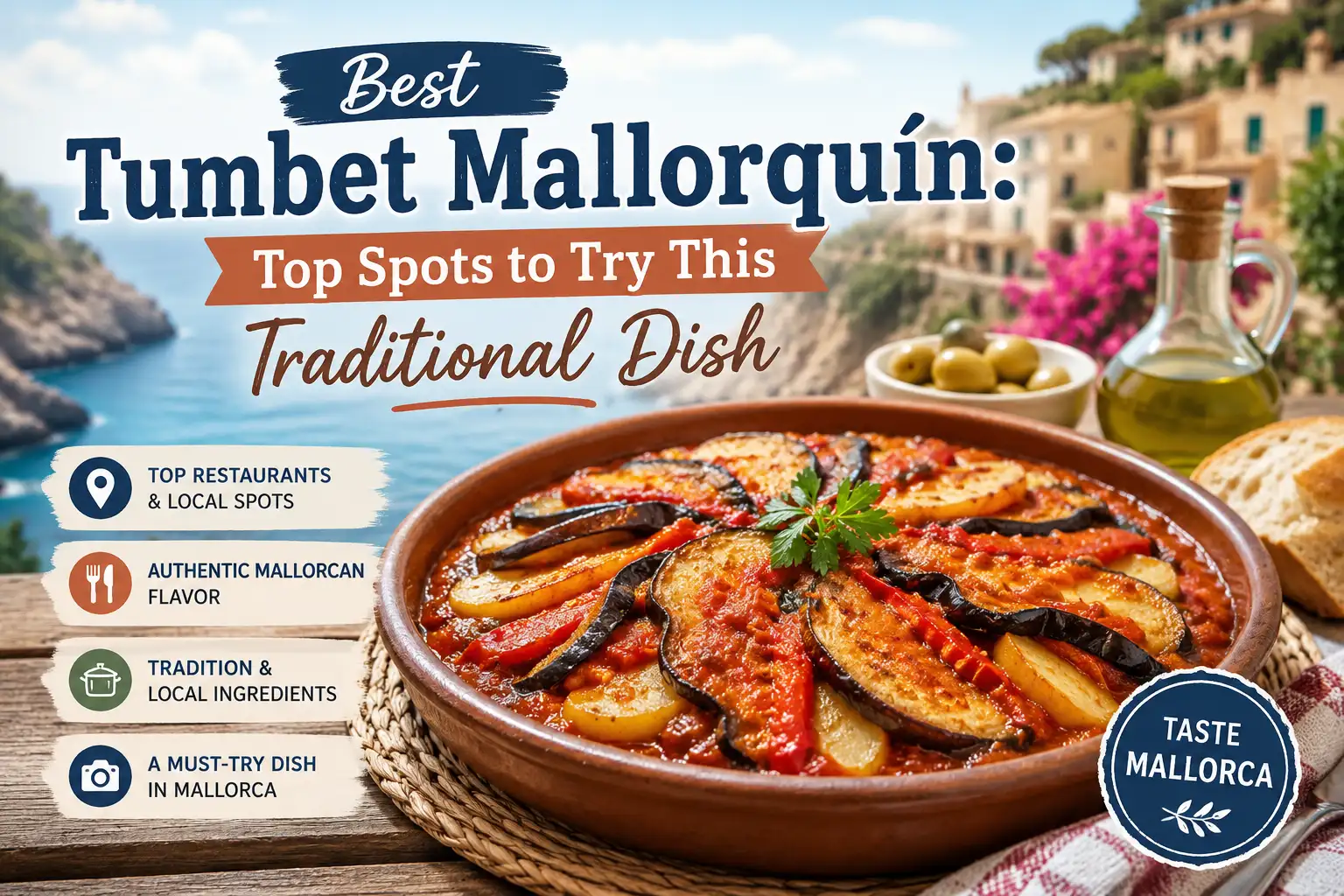
A plate of slow-cooked vegetables, golden potatoes, ripe tomatoes, and locally grown produce can tell the story of an entire island. In Mallorca, one traditional recipe has remained closely connected to family kitchens, countryside restaurants, and local celebrations for generations. Mallorcan Tumbet is more than a simple vegetable dish; it represents the island’s farming traditions, Mediterranean lifestyle, and love for uncomplicated but flavorful food.
Many visitors arrive in Mallorca searching for beaches, historic towns, and scenic landscapes, but discovering authentic local cuisine often becomes the highlight of their trip. The challenge is knowing where to find a version that respects the original recipe instead of a modern interpretation designed only for tourists.
This guide explores the origins of this classic dish, explains what makes it special, and shares some of the best places where travelers can experience its authentic taste. Whether you are visiting Mallorca for the first time or returning to explore its food culture, understanding this recipe will help you appreciate one of the island’s most beloved culinary traditions.
What Is Mallorcan Tumbet?
Mallorcan Tumbet is a traditional vegetable dish from the Balearic island of Mallorca, Spain. It is often compared to ratatouille because both recipes celebrate seasonal vegetables cooked together, but tumbet has its own identity, preparation method, and cultural background.
The dish is usually made with layers of fried potatoes, eggplant, and red peppers covered with a homemade tomato sauce. Each ingredient is prepared separately before being combined, allowing every vegetable to maintain its own texture and flavor. The final result is a rich, colorful meal that balances sweetness from tomatoes, earthiness from eggplant, and the comforting taste of potatoes.
Unlike many modern dishes that depend on complicated techniques, this recipe focuses on quality ingredients. Traditional cooks rely on fresh vegetables, olive oil, garlic, and ripe tomatoes to create depth. The simplicity of the ingredients reflects Mallorca’s agricultural history, where farmers used what was available during the growing season.
The preparation process is an important part of the dish’s character. Potatoes are typically sliced and fried until tender, while eggplant and peppers receive similar treatment. A tomato-based sauce is then added on top, creating a combination that improves after resting because the flavors have time to blend.
Although it began as a humble countryside meal, it has earned a place on restaurant menus throughout Mallorca. Some chefs serve it as a vegetarian main course, while others pair it with fish, eggs, or grilled meat. The recipe remains flexible while keeping its traditional foundation.
The History Behind This Traditional Mallorcan Recipe
The roots of this dish are closely connected to Mallorca’s rural communities. For centuries, island residents depended heavily on agriculture, growing vegetables that could survive the Mediterranean climate. Potatoes, tomatoes, peppers, and eggplants became important ingredients because they were affordable, adaptable, and widely available.
The Mallorcan Tumbet recipe developed from practical cooking habits. Farmers and families needed meals that could use fresh garden produce while providing enough energy for long working days. Instead of wasting seasonal vegetables, cooks transformed them into a layered dish filled with flavor.
Tomatoes played a major role in shaping the modern version. Although tomatoes originated in the Americas and arrived in Europe after the 16th century, they eventually became essential to Mediterranean cooking. Mallorca incorporated them into many local recipes, including this vegetable preparation.
Family traditions also helped preserve the recipe. Many Mallorcan households passed their preferred methods from one generation to another. Some families added extra garlic, adjusted the tomato sauce, or changed cooking times according to personal taste. These small differences explain why visitors may find slightly different versions across the island.
Today, the dish represents more than traditional cooking. It reflects Mallorca’s connection between land, seasons, and community. Eating it in a local restaurant often provides a direct connection to the island’s history because the recipe carries influences from generations of home cooks.
Why This Dish Remains Popular Among Visitors
One reason this classic recipe continues attracting visitors is its balance between simplicity and flavor. Many travelers look for authentic experiences rather than international dishes they can find anywhere. A traditional Mallorcan meal offers a direct connection to local culture.
The Mallorcan Tumbet’s popularity also comes from its versatility. Vegetarians often choose it as a satisfying main course because it contains several filling ingredients without requiring meat. At the same time, many restaurants serve it as a side dish alongside seafood, roasted meats, or traditional island specialties.
Another reason for its appeal is the focus on fresh ingredients. Mallorca’s Tumbet climate allows farmers to produce excellent vegetables, especially during warmer months. Restaurants that source products locally can create a noticeably fresher taste.
The dish also fits modern dining preferences. Many people today appreciate meals based on natural ingredients rather than heavily processed foods. A recipe built around vegetables, olive oil, and homemade sauce naturally matches this interest.
Tourists visiting smaller villages often discover that the best versions are not always found in expensive restaurants. Family-run establishments, countryside eateries, and traditional kitchens frequently prepare recipes closer to their original style.
The growing interest in Mediterranean cuisine has also introduced more people worldwide to Mallorca’s food culture. As travelers share their experiences online, traditional dishes from smaller regions gain international attention.
Best Places to Try Authentic Tumbet Mallorquín in Mallorca
Finding a memorable plate depends on choosing restaurants that value traditional preparation. While many establishments offer this recipe, the best experiences usually come from places that focus on local ingredients and regional cooking.
1. Traditional Restaurants in Palma
Palma, Mallorcan Tumbet capital city of Mallorca, is one of the easiest places to explore the island’s cuisine. The city combines historic neighborhoods with restaurants that preserve traditional recipes while welcoming visitors.
Many local restaurants in Palma prepare the dish using seasonal vegetables and homemade tomato sauce. These establishments often serve it alongside other Mallorcan specialties, allowing diners to experience a complete regional meal.
The advantage of eating in Palma is variety. Visitors can choose between casual family restaurants, historic dining rooms, and modern establishments that respect traditional flavors while adding creative touches.
When selecting a restaurant, look beyond tourist-focused menus. Places with strong local customer bases often provide a more authentic experience. Checking whether the menu includes other island dishes can also indicate that the restaurant values regional cooking.
2. Village Restaurants Away From Tourist Areas
Some of the most memorable food experiences happen outside major tourist destinations. Small villages throughout Mallorca often maintain stronger connections to traditional cooking methods.
Village restaurants usually have fewer distractions and focus heavily on quality ingredients. Many owners prepare recipes based on family methods rather than adapting everything for international visitors.
Dining in rural areas also creates a different atmosphere. Guests can enjoy their meal surrounded by countryside views, historic buildings, and a slower pace of life.
For travelers interested in food culture, visiting these locations provides insight into how locals have enjoyed traditional recipes for decades.
Best Tumbet Mallorquín: Top Spots to Try This Traditional Dish (Continued)
3. Coastal Restaurants With Local Menus
Mallorca’s coastal areas are famous for seafood, but many seaside restaurants also highlight traditional island recipes. These locations offer a unique combination: authentic food with views of the Mediterranean.
A good coastal restaurant does not simply rely on its location. The strongest places continue using local cooking methods and seasonal products. Visitors can enjoy a vegetable-based dish before trying seafood specialties, creating a complete Mediterranean dining experience.
Areas such as Port de Sóller, Alcúdia, and other coastal towns attract travelers who want both scenery and regional cuisine. However, it is important to choose restaurants that serve residents as well as tourists. Menus translated into several languages are common, but quality depends on how seriously the kitchen treats local traditions.
A carefully prepared serving of Mallorcan Tumbet in a coastal setting shows how simple ingredients can represent an entire region. The combination of fresh vegetables, olive oil, and tomato sauce matches the island’s natural environment and farming heritage.
4. Markets and Local Food Experiences
Traditional markets provide another way to understand Mallorca’s culinary identity. While markets may not always serve complete restaurant-style meals, they reveal the ingredients behind many island recipes.
Markets such as those found in Palma and smaller towns allow visitors to see the vegetables, herbs, and produce used in regional cooking. Speaking with local vendors can also help travelers discover family-owned restaurants nearby.
Food tours have become increasingly popular because they connect visitors directly with local producers and chefs. These experiences often include explanations about farming practices, seasonal ingredients, and the history behind traditional dishes.
For travelers who enjoy learning through food, market visits create a deeper appreciation. Instead of viewing a meal as just something to eat, they understand the relationship between agriculture, culture, and daily life.
Real-World Examples of Enjoying This Traditional Dish
A traveler spending a week in Mallorca might experience this recipe in several different ways depending on where they visit.
For example, someone staying in Palma could begin with a traditional lunch at a family restaurant in the old town. The dish may appear alongside other island specialties, allowing the visitor to compare different flavors from the region.
Another traveler exploring rural Mallorca might discover a small countryside restaurant surrounded by farmland. Here, the recipe could taste slightly different because the vegetables may come directly from nearby farms.
A couple visiting during summer might enjoy a seaside meal where the vegetable dish is served before grilled fish. The fresh ingredients and Mediterranean atmosphere create a connection between the food and the island’s environment.
Food enthusiasts may also choose cooking classes where they learn how to prepare the recipe themselves. These experiences explain why each step matters, from frying vegetables separately to creating the right tomato sauce consistency.
These examples show that the experience is not limited to a single restaurant. The recipe represents a wider food culture built around local ingredients, traditional methods, and shared meals.
What Makes a High-Quality Version Different?
Not every restaurant prepares this dish with the same level of care. Several details separate an authentic preparation from a basic imitation.
Fresh Seasonal Ingredients
The quality of vegetables has a major impact on the final taste. Fresh eggplant, ripe tomatoes, and good-quality peppers create natural sweetness and better texture.
Frozen or low-quality ingredients may save time, but they often produce a weaker result. Traditional cooking depends heavily on respecting the natural flavor of each component.
Proper Cooking Technique
The vegetables should not become a soft mixture where everything loses its identity. Good preparation keeps noticeable layers and textures.
Each ingredient requires attention. Potatoes need enough cooking time to become tender, while peppers and eggplant should develop flavor without becoming overly oily.
Balanced Tomato Sauce
The tomato layer brings everything together. It should complement the vegetables rather than overpower them.
A well-made sauce usually includes simple ingredients such as tomatoes, garlic, olive oil, and seasoning. The goal is richness without unnecessary complexity.
Common Mistakes and Misconceptions
Mistake 1: Thinking It Is Just Another Ratatouille
Because both dishes use vegetables, many people assume they are identical. While they share Mediterranean influences, their preparation styles differ.
Ratatouille is usually cooked together as a vegetable stew, while this Mallorcan recipe traditionally involves separate preparation and layering. The texture and eating experience are therefore different.
Mistake 2: Choosing Restaurants Only Based on Location
A restaurant with a beautiful sea view does not always guarantee authentic food. Some highly visited areas adjust recipes for tourists and may move away from traditional methods.
Visitors should consider reviews from locals, menu variety, and whether the restaurant highlights regional dishes.
Mistake 3: Expecting a Heavy Dish
Some travelers expect vegetable dishes to be light or plain. However, this recipe can be surprisingly rich because of olive oil, slow cooking, and concentrated flavors.
It provides comfort while still representing Mediterranean cooking principles.
Mistake 4: Ignoring Seasonal Differences
The taste can change depending on when vegetables are harvested. Eating local dishes during the right season often creates a better experience because ingredients are naturally at their best.
Mallorcan Tumbet vs Similar Mediterranean Vegetable Dishes
| Dish | Origin | Main Difference |
| Mallorcan Tumbet | Mallorca, Spain | Layered vegetables with fried potatoes and tomato sauce |
| Ratatouille | France | Vegetables usually cooked together as a stew |
| Caponata | Sicily, Italy | Includes sweet and sour flavors, often with vinegar |
| Briam | Greece | Oven-baked vegetables with Mediterranean herbs |
Although these dishes share ingredients, each reflects the traditions of its own region. The preparation style, seasoning choices, and cultural background create different dining experiences.
The Mallorcan version stands out because potatoes play an important role, creating a more filling meal. The separate cooking process also preserves the identity of each vegetable.
How to Choose the Best Place to Try It
Selecting the right restaurant requires more than searching for the dish name online. Consider these factors:
Look for Traditional Menus
Restaurants specializing in local cuisine are more likely to prepare regional recipes correctly. A menu featuring several island dishes is usually a positive sign.
Check Local Reviews
Visitor reviews can help, but local recommendations often provide better insight. Restaurants popular with residents frequently focus on quality rather than tourist appeal.
Visit During Vegetable Season
Fresh produce makes a noticeable difference. Summer and early autumn are often excellent periods for experiencing Mediterranean vegetable dishes.
Avoid Extremely Cheap Tourist Deals
Very low prices may indicate shortcuts in preparation or ingredient quality. Traditional cooking requires time and fresh products.
Frequently Asked Questions
What is Mallorcan Tumbet made from?
The dish is traditionally made with potatoes, eggplant, peppers, tomatoes, olive oil, garlic, and seasonings. Each vegetable is prepared separately before being combined with tomato sauce to create a layered Mediterranean meal.
Is this dish vegetarian?
Yes, the traditional recipe is vegetarian. Its ingredients come mainly from vegetables and plant-based products, making it suitable for people looking for meat-free options while exploring Mallorcan cuisine.
Where can I find authentic versions in Mallorca?
Authentic versions can be found in traditional restaurants, village eateries, local markets, and family-owned establishments throughout the island. Places focused on regional cooking usually provide the most traditional experience.
Is it served as a main dish or a side dish?
It can be enjoyed both ways. Some restaurants serve it as a vegetarian main course, while others offer it as a side dish alongside fish, meat, or other local specialties.
What makes this dish different from ratatouille?
The main difference is preparation. The vegetables are typically cooked separately and layered rather than mixed. Potatoes are also a defining ingredient that gives it a unique character.
Can tourists learn how to make it?
Yes. Several cooking experiences in Mallorca teach visitors traditional recipes. These classes often include information about local ingredients and the cultural importance of island cuisine.
Conclusion
Exploring Mallorca through food offers a deeper understanding of the island’s history and traditions. A carefully prepared plate of Mallorcan Tumbet reflects generations of cooking knowledge, local agriculture, and Mediterranean simplicity.
The best places to try this dish are not always the most famous restaurants. Often, the most memorable experiences come from family-run kitchens, village restaurants, and places that respect traditional methods.
For travelers who want more than a typical holiday meal, discovering this recipe provides a connection to Mallorca’s culture. Fresh ingredients, thoughtful preparation, and regional pride make it a dish worth seeking out during any visit to the island.
