

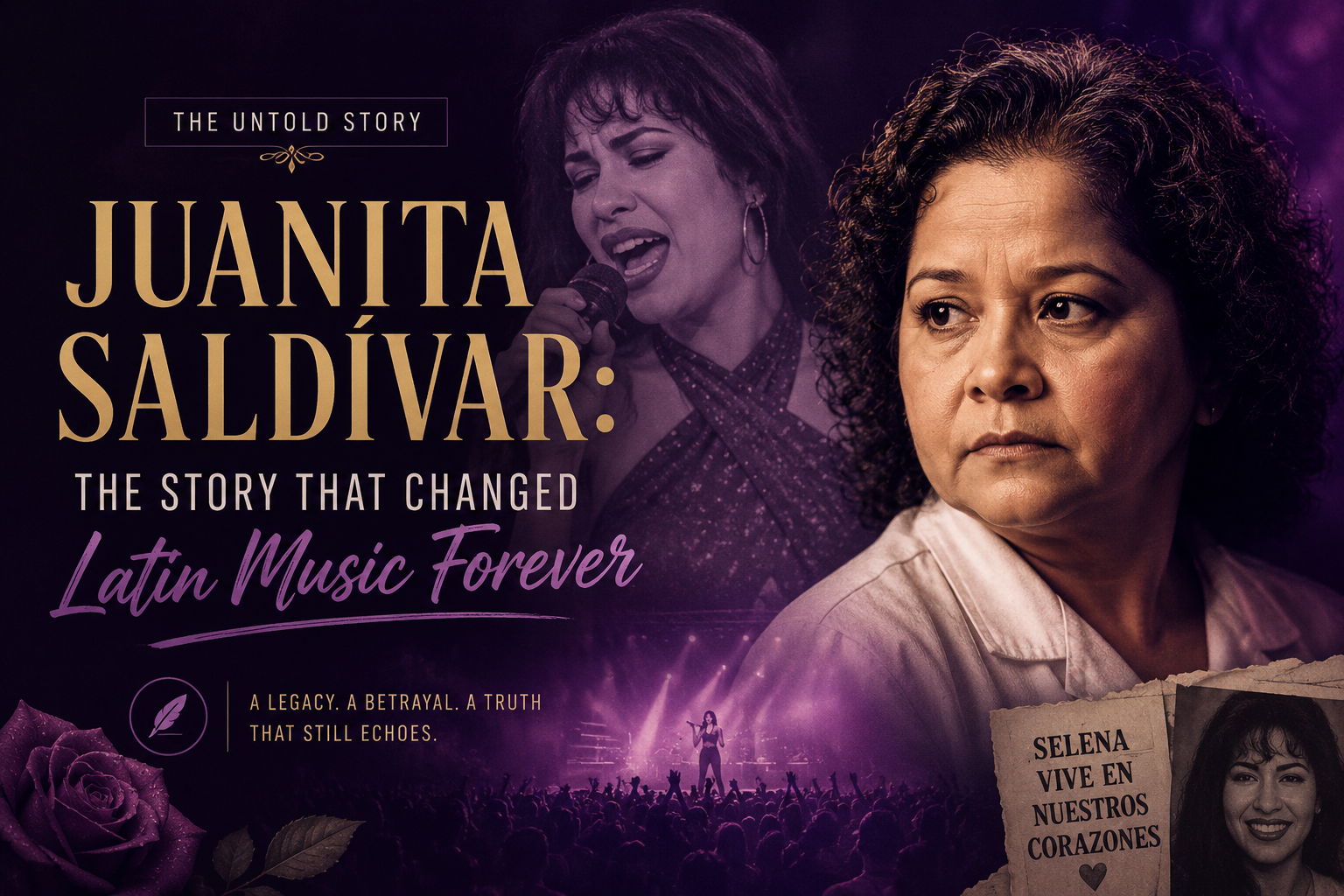
The story of juanita saldívar remains one of the most discussed and emotionally charged cases in Latin music history. More than three decades after the tragic death of Tejano superstar Selena Quintanilla-Pérez, public interest in the case continues to grow across documentaries, podcasts, streaming platforms, and social media discussions.
Although many people mistakenly search for “Juanita” Saldívar, the widely known individual connected to the case is Yolanda Saldívar, the former president of Selena’s fan club who was convicted of the singer’s murder in 1995. The confusion around the name has become a major online search trend in recent years, especially after renewed media attention surrounding parole hearings and anniversary coverage.
This article explores the real story behind the case, the legal developments, public reaction, and the cultural impact that still resonates today.
Who Was Yolanda Saldívar?
Yolanda Saldívar was born in Texas and worked as a registered nurse before becoming closely connected to Selena and her family business operations. During the early 1990s, she gained the trust of the Quintanilla family and eventually managed Selena’s fan club along with several clothing boutiques.
At the time, Selena was rapidly becoming one of the most influential Latin artists in the United States. Her popularity extended beyond Tejano music and into mainstream American entertainment.
Saldívar’s relationship with Selena initially appeared professional and supportive. However, tensions reportedly developed after financial discrepancies were discovered within the fan club and boutique operations.
These allegations would later become central to one of the most shocking moments in music history.
The Rise of Selena Quintanilla
Before discussing the crime itself, it is important to understand the cultural importance of Selena.
Selena Quintanilla-Pérez was often called the “Queen of Tejano Music.” She broke barriers for Latina artists in a genre traditionally dominated by men and became a symbol of Mexican-American identity.
Her albums achieved major commercial success during the early 1990s. Songs like:
- “Como La Flor”
- “Bidi Bidi Bom Bom”
- “Amor Prohibido”
- “No Me Queda Más”
became classics across Latin America and the United States.
According to Billboard and historical sales records, Selena’s posthumous crossover album Dreaming of You debuted at No. 1 on the Billboard 200 chart in 1995, making history for Latin artists at the time.
Her influence expanded into fashion, beauty, and entertainment branding years before social media celebrity culture existed.
The 1995 Tragedy
On March 31, 1995, Selena traveled to a motel in Corpus Christi, Texas, to meet Saldívar regarding financial documents connected to her business operations.
What happened next shocked millions.
Selena was shot during the confrontation and later died from her injuries at a local hospital. She was only 23 years old.
Witness testimony and court evidence became key components of the prosecution’s case during the murder trial later that year. The case received nationwide attention and dominated television news coverage throughout the United States and Latin America.
The emotional response from fans was enormous. Tens of thousands attended vigils and memorials after Selena’s death. Reports at the time described massive public mourning rarely seen for a Latin music artist.
Reuters later noted that more than 50,000 people lined up to pay respects during public viewings following Selena’s death.
Trial and Conviction
The murder trial was moved from Corpus Christi to Houston because of extensive media coverage and concerns about finding an impartial jury.
In October 1995, Saldívar was convicted of first-degree murder and sentenced to life in prison with the possibility of parole after 30 years.
Court proceedings revealed details about the deteriorating relationship between Selena and Saldívar. Prosecutors argued the shooting was intentional, while the defense claimed the gun discharged accidentally during an emotional confrontation.
The jury ultimately sided with prosecutors.
The conviction became one of the most widely followed criminal cases involving a celebrity in the 1990s.
Why the Case Still Captivates People
Interest in the juanita saldívar keyword has increased significantly because the case combines several powerful elements:
- Celebrity culture
- Betrayal and trust
- Latin music history
- Criminal justice debates
- Emotional fan loyalty
For many fans, Selena represented more than music. She symbolized opportunity, identity, and cultural pride for Mexican-Americans across the United States.
The tragedy also occurred at a pivotal moment in Selena’s career. Industry experts widely believed she was on the verge of becoming a global English-language pop superstar.
Her death permanently altered the trajectory of Latin music history.
The 2025 Parole Decision
Public attention surrounding the case surged again in 2025 after Saldívar became eligible for parole for the first time.
The Texas Board of Pardons and Paroles reviewed the case and ultimately denied parole. Officials stated that the severity of the crime and concerns regarding public safety influenced the decision.
According to reports, her next parole review is expected in 2030.
The decision generated intense online discussion across news platforms and social media communities. Many fans expressed relief, while others debated broader questions about rehabilitation and long-term incarceration.
The case once again became headline news nearly 30 years after the original crime.
Media Coverage and Documentaries
The story has inspired numerous documentaries, television specials, books, and online investigations.
One of the most influential portrayals was the 1997 biographical film:
Selena
The movie starred Jennifer Lopez and played a major role in introducing Selena’s story to a global audience.
In recent years, streaming platforms have released additional documentaries exploring the crime, Selena’s legacy, and the legal developments involving Saldívar.
The continued production of media content demonstrates the lasting fascination surrounding the case.
Cultural Impact on Latin Music
Selena’s death changed the Latin music industry forever.
Music historians frequently describe her as a pioneering crossover artist who helped open doors for future Latin stars. Artists such as:
- Shakira
- Jennifer Lopez
- Becky G
- Karol G
have all acknowledged Selena’s influence on Latin entertainment culture.
Industry analysts believe Selena would likely have become one of the world’s biggest crossover pop artists had her career continued.
Even decades later, her music remains commercially successful on streaming platforms and radio stations.
Public Reaction Through the Years
The emotional connection fans feel toward Selena has remained remarkably strong across generations.
Social media trends during parole hearings demonstrated how deeply audiences still care about the case. Reddit discussions, online petitions, and viral TikTok videos attracted millions of interactions during the 2025 parole review.
Some discussions focused on justice for Selena, while others examined the broader psychological and cultural dimensions of celebrity obsession and fan relationships.
The enduring emotional response illustrates the unique place Selena occupies in entertainment history.
Misconceptions Around the Name “Juanita Saldívar”
One of the biggest related topics surrounding the case involves confusion over the name itself.
Many internet users search for “Juanita Saldívar” instead of Yolanda Saldívar. Search trend analysts believe this occurs because of:
- spelling confusion
- pronunciation similarities
- viral social media posts
- autocomplete behavior on search engines
As a result, the keyword has become highly searched online despite not reflecting the historically accurate first name.
For content creators and publishers, understanding this search behavior is important when producing optimized educational content.
The Legacy of Selena
Despite the tragedy connected to the case, Selena’s legacy remains overwhelmingly positive.
Her impact can still be seen in:
- Latin pop culture
- fashion trends
- beauty branding
- bilingual music marketing
- female representation in Tejano music
Fans continue visiting memorial sites in Texas and celebrating Selena-themed events worldwide.
Her posthumous influence has also produced major commercial achievements. Albums continue to stream globally, and her image remains one of the most recognizable in Latin entertainment history.
More importantly, Selena became a cultural icon whose story inspired millions of young Latino artists to pursue music careers.
Lessons From the Case
The story connected to juanita saldívar also raises broader conversations about fame, trust, and celebrity culture.
Experts often discuss several themes associated with the case:
1. Celebrity Vulnerability
Public figures often rely heavily on trusted insiders. This can create situations where personal and professional boundaries become blurred.
2. Fan Obsession
The case remains one of the most extreme examples of how admiration can evolve into dangerous emotional dependency.
3. Media Influence
The extensive media coverage transformed the tragedy into one of the defining celebrity crime stories of the 1990s.
4. Cultural Identity
Selena’s death deeply affected Latino communities because she represented visibility and success in mainstream American entertainment.
Why Interest Remains High Today
Search traffic surrounding the case consistently spikes during:
- parole reviews
- Selena anniversaries
- documentary releases
- viral social media discussions
- true crime trends
The continued fascination reflects both the emotional nature of the story and Selena’s lasting cultural significance.
Modern audiences discovering Selena for the first time through streaming platforms often become interested in understanding the circumstances surrounding her death.
As a result, online searches connected to the case continue growing even decades later.
Read More Guide’s: Misha Ezratti Net Worth: Wealth and Rise of the Real Estate Visionary
Final Thoughts
The story behind juanita saldívar remains one of the most tragic chapters in entertainment history. While the keyword itself often reflects a naming confusion online, the case continues to symbolize loss, betrayal, and the enormous cultural impact of Selena Quintanilla’s life and career.
More than 30 years later, Selena’s music, influence, and legacy remain stronger than ever. Her story continues inspiring millions worldwide, while discussions surrounding the crime remain deeply emotional for fans across generations.
Although the legal process surrounding Saldívar continues through parole reviews and public debate, Selena’s enduring influence has ultimately become the defining legacy of the story.
FAQ Section
Who is Juanita Saldívar?
The name “Juanita Saldívar” is commonly searched online but usually refers to Yolanda Saldívar, the woman convicted of murdering Selena Quintanilla in 1995.
Why is the case still popular today?
The case remains highly discussed because of Selena’s enormous cultural influence and continued media coverage surrounding parole hearings and documentaries.
Was Yolanda Saldívar released from prison?
No. In 2025, parole was denied, and the next review is scheduled for 2030.
Why was Selena important?
Selena Quintanilla-Pérez was one of the most influential Latin artists of the 1990s and helped bring Tejano music into mainstream American culture.
What movie was made about Selena?
Selena starred Jennifer Lopez and became one of the most successful music biopics of its era.
